Manchester United's Struggles Exposed Again
Manchester United’s latest defeat did not just sting. It exposed a pattern.
For the third time in less than 10 months, United have lost a game in which their opponents were reduced to 10 men before half-time. This time it was Manchester City, a 1-0 defeat at Old Trafford, and a matchwinner from Erling Haaland that has already triggered an official apology from Pro Ref for what they described as “an error of judgement”.
The noise around that decision is loud. Inside Carrington, the questions are louder.
Carrick out of excuses
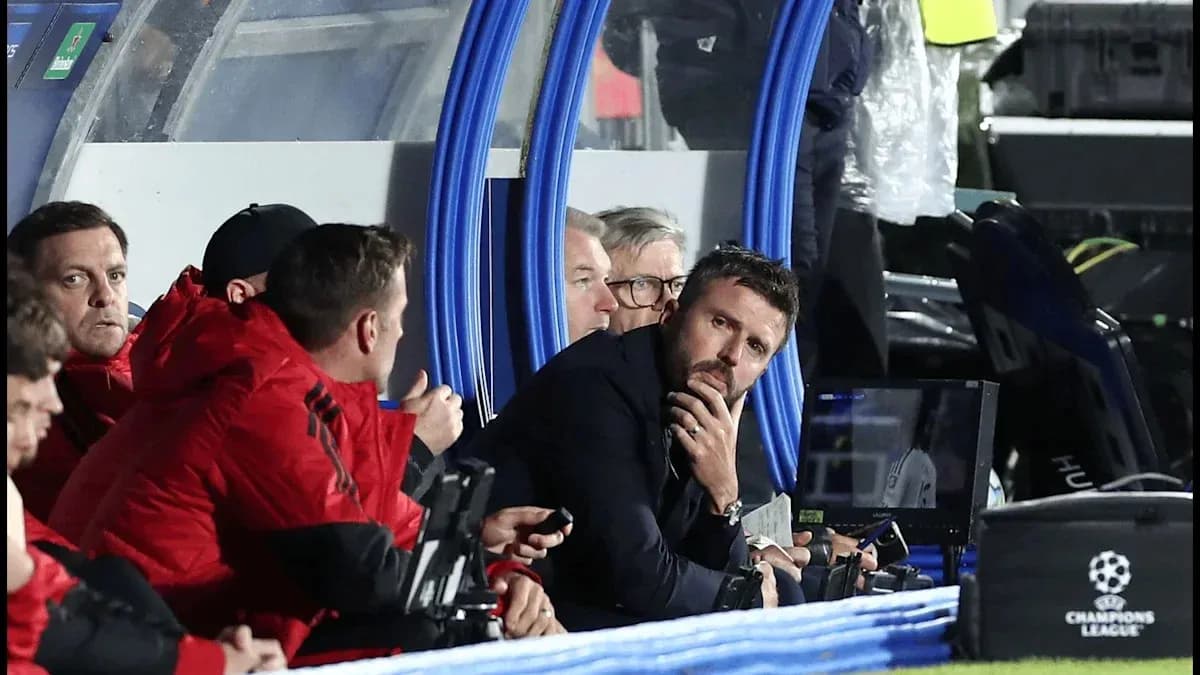
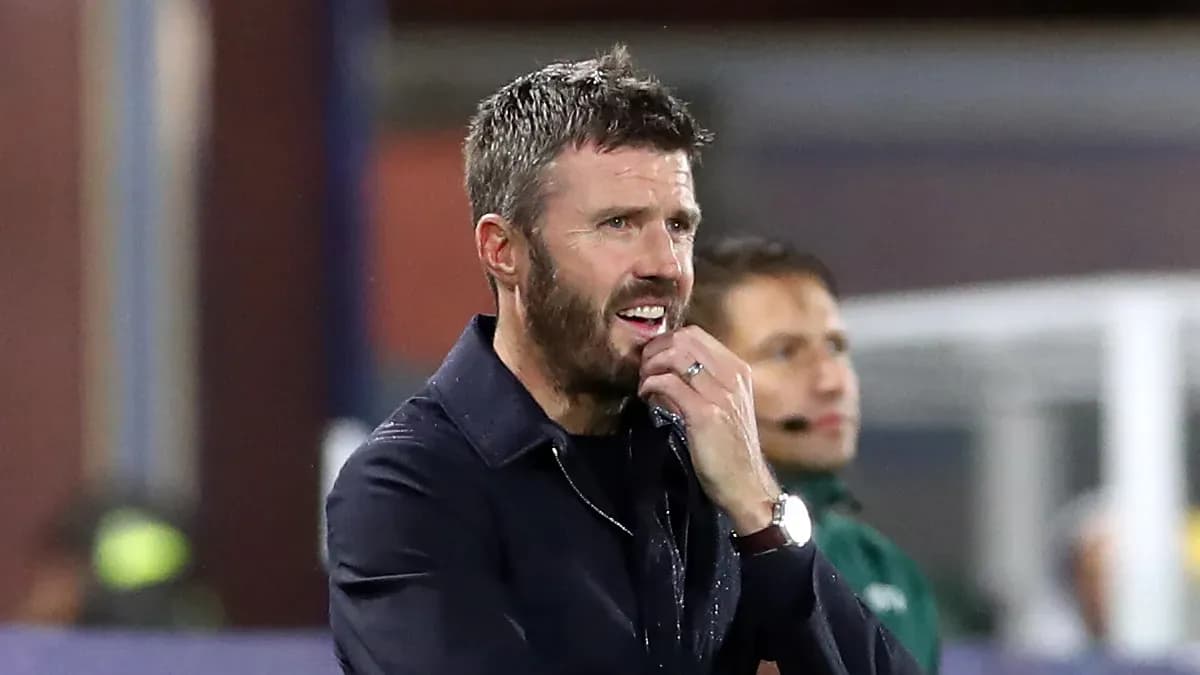
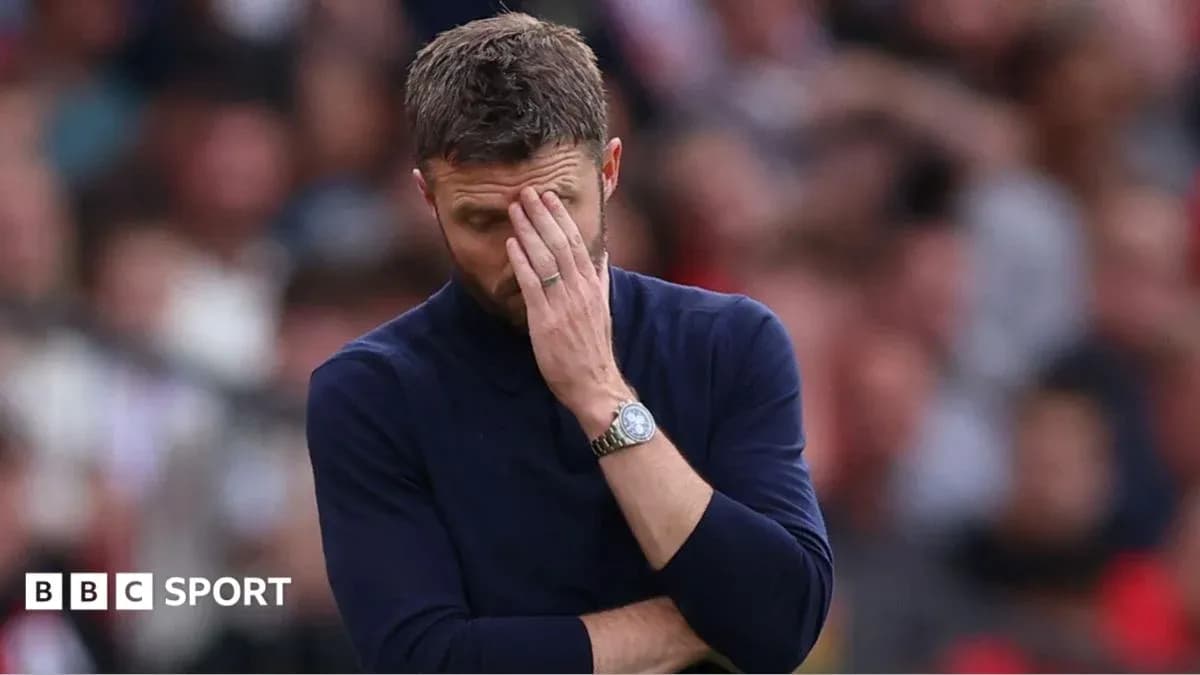
A week ago at Everton, Michael Carrick bristled at the suggestion that four points from three games represented a poor start. After City, the tone changed. Four points from four? The head coach admitted “there is no getting away” from the fact that this is below expectations.
One win, and that at home to newly-promoted Ipswich, has left fault lines everywhere you look. Recruitment. Team selection. Substitutions. Tactics. And, increasingly, Carrick himself.
“We don't need a break or a restart,” he insisted. “We've just got to move on and get winning again.”
That sounds simple. It rarely is at Old Trafford.
Brighton visit in the Carabao Cup on 16 September, then comes a trip to Fulham four days later. Carrick needs performances and results, not just for the table but to stop a looming three-week international break turning into an open season on what is going wrong at the club.
Ten men, same problem
On the opposite bench, new City boss Enzo Maresca cut a more satisfied figure, but he did not pretend Phil Foden’s red card made life easy.
He accepted it complicated City’s evening. Then he explained why it complicated United’s even more.
“They are a team that loves transitions and space in behind,” he said.
With 10 men, City simply dropped off, shut the doors and waited. No space to attack, no broken field to run into. The game slowed, and with it United’s threat.
That tactical trap has snared United repeatedly over the past decade. Since Jose Mourinho’s arrival, they have often looked most dangerous as a counter-attacking side, punching into space against teams who dare to come onto them. Ole Gunnar Solskjaer talked about evolving that into a more proactive, possession-based game. He never truly managed it.
Erik ten Hag and Ruben Amorim arrived with reputations forged in leagues where their teams routinely dominated the ball. The theory was that United would eventually do the same. The practice has proved far more awkward.
Carrick, the metronome midfielder who once prided himself on taking care of the ball, appears to want a side that can control games. Keeping possession is one thing. Using it to break down a compact, disciplined block is something entirely different.
£155m midfield, limited return
United’s summer transfer strategy made their intentions clear. The midfield would be the engine of this new version of the team. On paper, the club spent £155m to build it.
On the pitch, the impact has been modest.
Youri Tielemans has yet to find his top level. Carlos Baleba is still waiting for his debut. Andrey Santos started the opening game at Hull, then slipped to the bench and did not feature at all against City.
So the reshaped midfield remains more theory than reality.
At the same time, a long-expected reinforcement never arrived. With Luke Shaw’s run of 41 consecutive Premier League starts finally ending, most observers assumed a new left-back would come in. None did. The gap in the squad is as obvious as the reliance on Shaw has been.
The bench against City told its own story. When Carrick turned to his replacements late on, he made only two changes. One of them, seven minutes from time, was the introduction of Netherlands forward Joshua Zirkzee for Marcus Rashford – a player who had been available for transfer all summer. It felt less like a bold tactical twist and more like a reminder of how thin the depth really is.
Fernandes and the burden of responsibility
Bruno Fernandes carried United through much of last season. He left with both the PFA and Football Writers’ Player of the Year awards, nine league goals and a Premier League record 22 assists. He was everywhere, the creative heartbeat and emotional barometer.
This season, the numbers tell a different story. Three goals and one assist is a respectable return on paper, but the influence has dipped. The spark is dimmer. The passes that once cut opponents open are not landing with the same frequency.
Some watching from the stands felt he looked tired against City, an impression that sharpened the focus on Carrick’s decision-making in midweek.
United’s Champions League return, away to Azerbaijan champions Sabah FK, should have offered a chance to manage minutes. The opposition’s ranking, United’s two-year absence from the competition and the need to start with authority all helped justify Carrick’s strong team selection.
By half-time, United were three goals up. The job was essentially done. With City looming three days later, it seemed the perfect moment to protect his captain.
Carrick used all five substitutes. Fernandes stayed on for the full 90 minutes.
It was a choice that raised eyebrows then and looks even stranger now, with questions about fatigue and form circling his most important player.
Fernandes is into the final year of his contract, though United hold an option to extend it to 2028. The issue is not whether they value him. It is how much they depend on him.
Right now, that dependence looks heavy. Too heavy for a team that claims to be evolving.
Brighton and Fulham will not care about Pro Ref apologies or VAR debates. They will see a side struggling to turn possession into incision, a squad stretched thin, and a captain carrying more weight than is healthy. The real test for Carrick is whether he can change that story before the season starts writing it for him.