Manchester United's Managerial Crisis: A Pattern of Failures
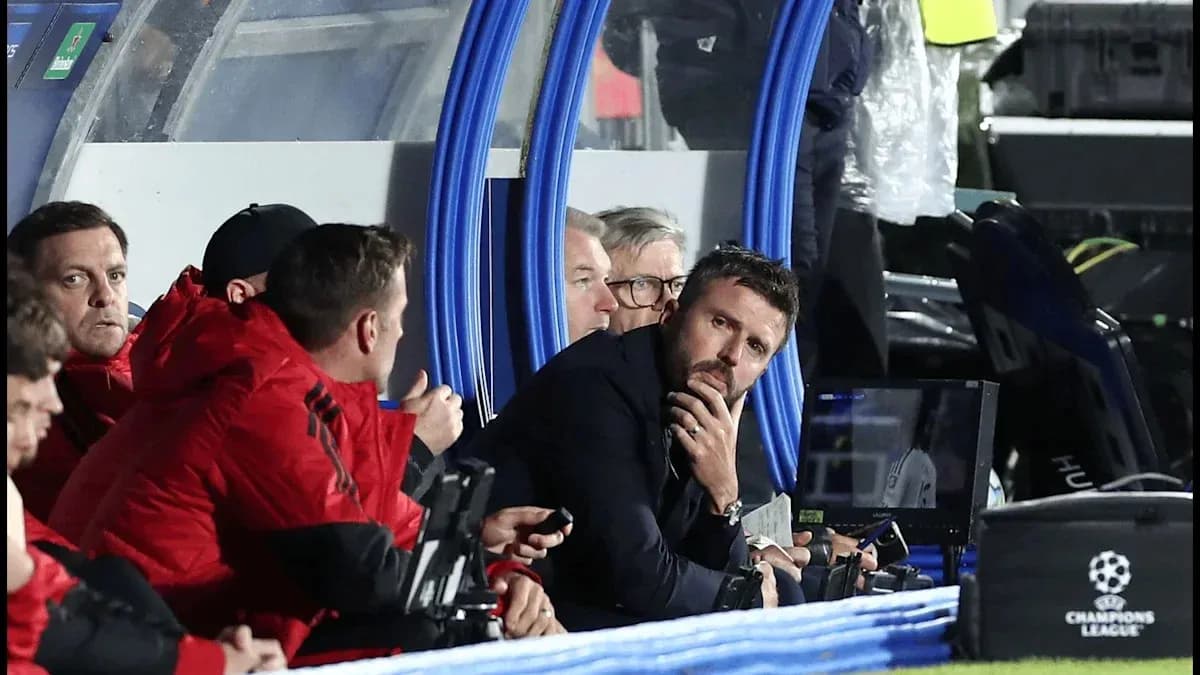
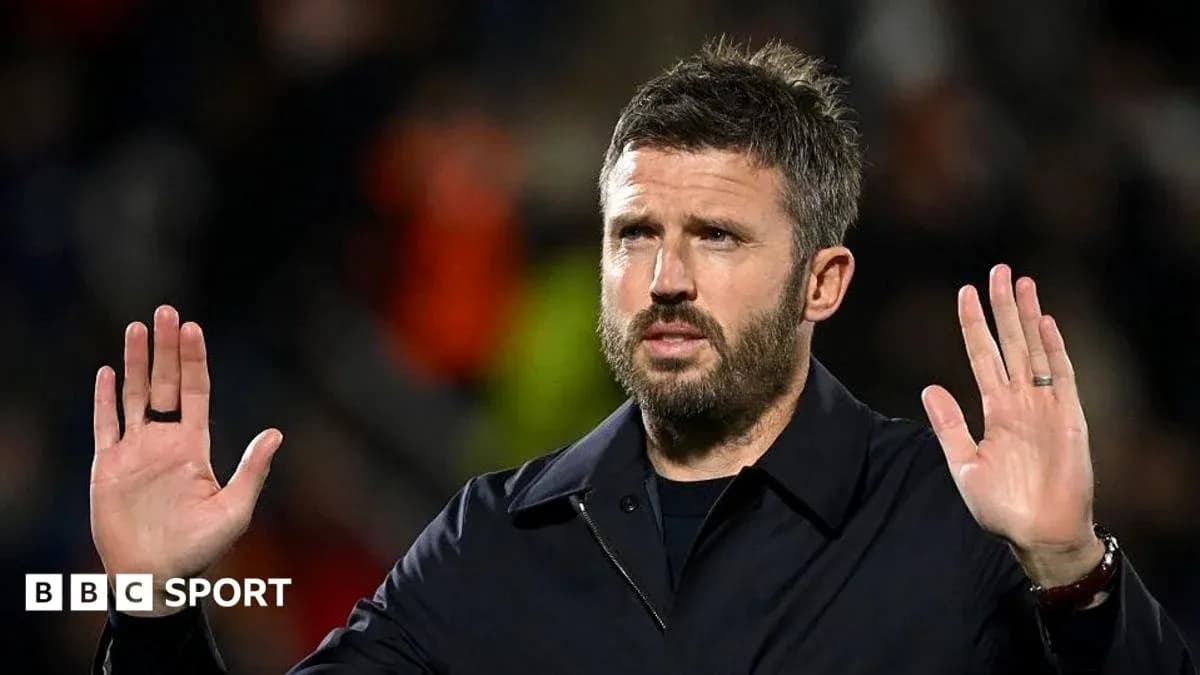
The scene felt painfully familiar. Hands raised in apology, eyes fixed on a furious away end, a Manchester United manager swallowed by the same storm that has consumed every successor to Sir Alex Ferguson.
This time it was Michael Carrick in Como, not Ole Gunnar Solskjaer at Watford. Same scoreline. Same humiliation. Same sense of inevitability.
Carrick is the seventh full-time manager since Ferguson walked away in 2013 with 38 trophies and a dynasty behind him. Every one of those successors arrived with a plan, a pitch and a promise. Every one of them left the same way – sacked, spent and scarred by a club that no longer seems capable of being managed.
The latest man in the firing line
Carrick’s situation already feels desperate. Results have turned ugly, and the dressing room has turned toxic.
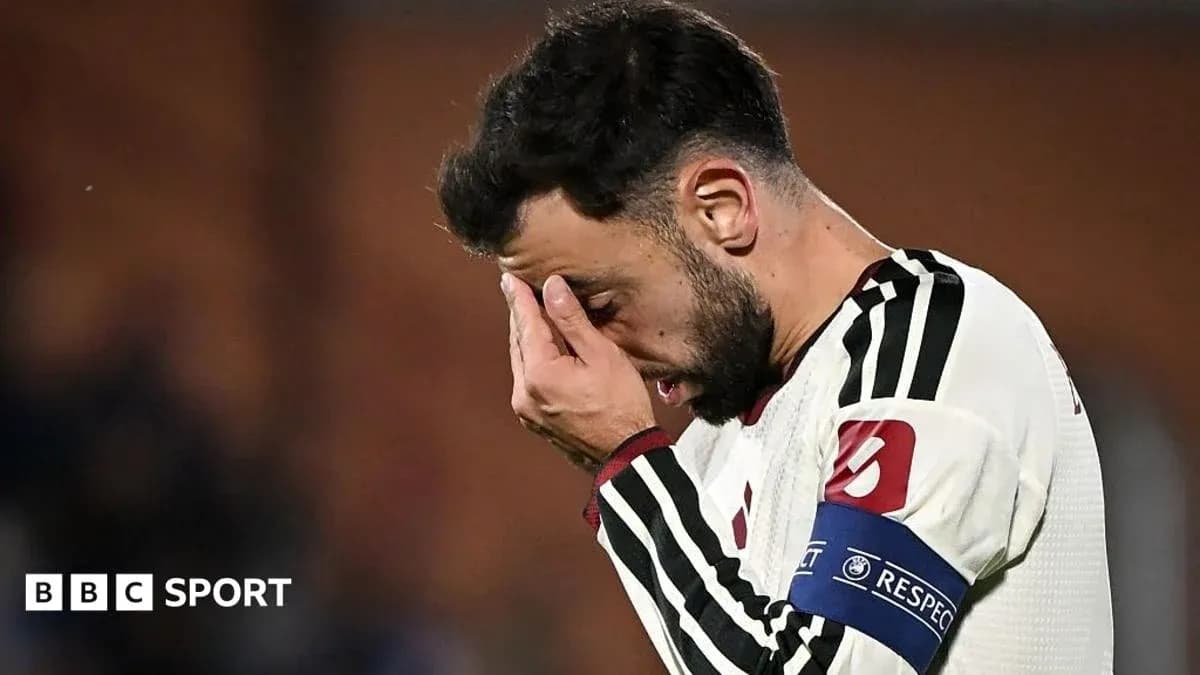
After the Champions League defeat at Atletico Madrid, Lisandro Martinez publicly aimed his anger upwards, taking issue with director of football Jason Wilcox. In Como, captain Bruno Fernandes questioned the tactics. When players start looking above the manager’s head and sideways at the dugout, the foundations have gone.
This is no isolated bad week. It hints at something rotten in the modern Manchester United.
So the questions grow sharper. Why is it always the manager standing alone in front of the cameras, apologising to supporters? How many times can the club point at the man on the touchline before turning the spotlight on those who hired him, funded him, and then fired him?
At what point does Manchester United stop being a tough job and start being an unmanageable one?
A carousel of ideas – and failures
The list since 2013 reads like a study in contrasting philosophies: David Moyes, Louis van Gaal, Jose Mourinho, Ole Gunnar Solskjaer, Erik ten Hag, Ruben Amorim, Michael Carrick. Interims like Ryan Giggs, Ralf Rangnick, Ruud van Nistelrooy and Darren Fletcher filled the gaps.
United’s hierarchy – from Ed Woodward to the Glazer family and now part-owner Sir Jim Ratcliffe – have tried almost every model to recreate the Ferguson era.
They picked Moyes as the chosen heir, only for the job to swallow him after leaving Everton. They went for the serial winners in Van Gaal and Mourinho, men with Champions League medals and bulging CVs. They pivoted to nostalgia and romance with Solskjaer, a club legend with little evidence he could thrive at this level. They turned to Ten Hag, the architect of a thrilling young Ajax side that reached a Champions League semi-final. Then Amorim, the hottest coaching property in Europe, prised from Sporting.
Different profiles. Different backgrounds. Same ending.
Van Gaal delivered an FA Cup in 2016. Mourinho followed with the League Cup and Europa League in 2017. Ten Hag stunned Manchester City to win the FA Cup in 2024. Those are crumbs compared to the banquets Ferguson once served.
United’s slide did not start with Carrick, or even with Ten Hag. It began the day the club botched the succession plan to the most important figure in its modern history.
The ones who said no
The scale of that misstep was brutally underlined in December 2019. Within 35 miles of Old Trafford, three of the game’s great modern managers were at work: Carlo Ancelotti at Everton, Pep Guardiola at Manchester City, Jurgen Klopp at Liverpool.
None of them were at United.
Instead, United had Solskjaer, appointed on the back of a feelgood interim run and a wave of sentiment. He lasted less than three years. The romance faded. The structural problems did not.
Now Carrick, another former fan favourite, risks becoming Solskjaer Mark II. He impressed in a temporary spell, just as Solskjaer did. His previous full-time job ended in a sacking at Middlesbrough in the Championship, just as Solskjaer’s first English job ended in dismissal at Cardiff City.
United once felt like the ultimate destination. Now the question hangs over Old Trafford: has it ever felt this bleak? Has the hope ever been this thin? Has the morale ever been this low?
No longer the irresistible offer
United will always find a manager. The badge still carries weight. The stadium, the history, the global profile – they all sell a dream.
But it is no longer the dream job. It is a risk. A short-term gamble with a long-term stain if it goes wrong.
The club cannot simply assume the world’s elite coaches will queue up. Any manager with options will look at the squad, the politics, the churn, and ask a blunt question: can anyone fix this without huge investment and a clear, stable plan?
Right now, the answer is not obvious.
Carrick stands at the front of house, absorbing the blows, yet he is far from the only culprit. His appointment felt like a comfort pick after steering United back into the Champions League – a decision shaped by emotion and familiarity. It now looks like another repeat mistake.
Power, protest and paralysis
Responsibility runs higher. It runs to Ratcliffe and beyond.
United fans have been protesting against the Glazers since their leveraged takeover in 2005, which dumped debt onto the club and poisoned the relationship with a large section of the support. The Americans remain majority owners, unmoved by years of anger and demonstrations.
Ratcliffe’s arrival as part-owner was supposed to mark a new era. Instead, his partnership with the Glazers has made him a target too. Fans see another billionaire at the top of a club that continues to veer from one misstep to the next.
Ratcliffe has said he leaves major football decisions to figures such as Wilcox and chief executive Omar Berrada. The reality on the ground, though, has been instability and a string of bad calls with Ratcliffe as the leading figure.
The handling of Ten Hag was emblematic. United were ready to sack him before the FA Cup final against City. He won the trophy, earned a reprieve, a contract extension and around £200m in transfer backing. Six months later he was gone, with a payoff of more than £10m for him and his staff.
Financially reckless. Football-wise, muddled. It was a catastrophic attempt to hedge their bets and ended up pleasing no one.
Then came the Dan Ashworth saga. United fought to bring in one of the game’s most respected sporting directors from Newcastle United. He finally arrived in July 2024, hailed as a coup. Five months later, after a behind-the-scenes disagreement, he was out.
Ashworth spent as long on gardening leave waiting to join United as he did actually working for them. The optics were damning. The impression of chaos deepened.
Some suggested Ashworth paid the price for backing Ten Hag. Another theory was that he favoured English managers like Graham Potter or Gareth Southgate over Amorim. Either way, United lurched on without him.
Amorim, systems and another reset
United turned to Amorim, whose devotion to a 3-4-3 system had already cooled Liverpool’s interest when they chose Arne Slot to replace Klopp. At Old Trafford, that tactical fixation quickly became the flaw that sank his reign.
Fourteen months after arriving as the bright new hope, Amorim was gone. He did not leave quietly, delivering a parting blast at the club’s hierarchy after a hostile meeting with Wilcox.
By the time Carrick took over, the mood inside Old Trafford was already brittle. Ratcliffe’s cost-cutting drive had led to significant staff departures and a sharp change in working culture. “Efficiencies” became a euphemism for upheaval.
This summer, tension with supporters escalated again when United launched a ticket-touting investigation. The club later admitted it had underestimated how many fans shared account details and softened some of the threats around season-ticket confiscation. But officials still defended the probe. Another layer of distrust settled over a fanbase already worn down by years of mismanagement.
Money, concrete and the bigger picture
On the pitch, United drift. Off it, Ratcliffe’s promise to tighten finances has delivered a complicated picture.
Figures released in September showed overall debt still standing at £1bn despite aggressive cost-cutting. There was some good news: record revenue of £678m and a £23m operating profit, a huge swing from the £113m loss in 2023-24, achieved despite missing out on European football for the first time in a decade.
United also spent £64m on land for a new stadium, the centrepiece of Ratcliffe’s vision. Berrada has spoken of a 100,000-capacity arena, projected to cost more than £2bn. It is billed as the owner’s legacy project, a concrete symbol of ambition and a reborn United.
But bricks and mortar do not mask the football reality. The club’s recent history is a collage of bad decisions, short-term fixes and failed resets. On the pitch, the returns remain thin. Off it, the churn in key positions has become relentless.
This is the cocktail poisoning Manchester United: a confused structure, revolving-door leadership, and a team that reflects the uncertainty above it.
Carrick may be the next to pay with his job. If he goes, another name will step into the hottest seat in English football, another fresh face fronting up to the same old problems.
The real question is no longer who manages Manchester United. It is whether anyone, under this ownership and this culture, can truly manage them at all.