Manchester United Bans 685 Accounts Over Ticket Touting Probe
Manchester United have banned 685 accounts and sanctioned or warned a further 464 supporters after a sweeping ticket touting investigation that has deepened tensions between the club and sections of its fanbase.
The crackdown began in July and quickly sparked fury. Season-ticket holders received stark emails hinting at possible sanctions without any clear explanation. Rumours spread, protests followed, and many long-standing supporters feared they were about to lose their seats for reasons they did not understand.
Under pressure, the club rowed back on some of its language. The wording of warning emails was softened, and United privately accepted they had badly underestimated how many fans routinely shared account details with friends and family. They also acknowledged that their initial approach had caused “distress” to some supporters.
The climbdown stopped there.
In concluding the investigation, United confirmed that 685 accounts have been banned, with 464 supporters receiving reduced sanctions or final warnings. The club says the harshest penalties were reserved for what it describes as “significant misuse” of the ticketing system for financial gain.
That includes what United call organised ticketing networks – operations that were “controlling, selling and distributing tickets from hundreds of accounts” in order to profit from demand for Old Trafford seats.
Inside the club, there is a clear belief that the numbers justify the hard line. Senior figures insist that many of the cases circulating on social media do not reflect the full facts and that some of the most shared stories are simply untrue. Their stance is blunt: innocent fans have not been punished, and hundreds of genuine touts have been identified and removed.
Whether that convinces those on the outside is another matter.
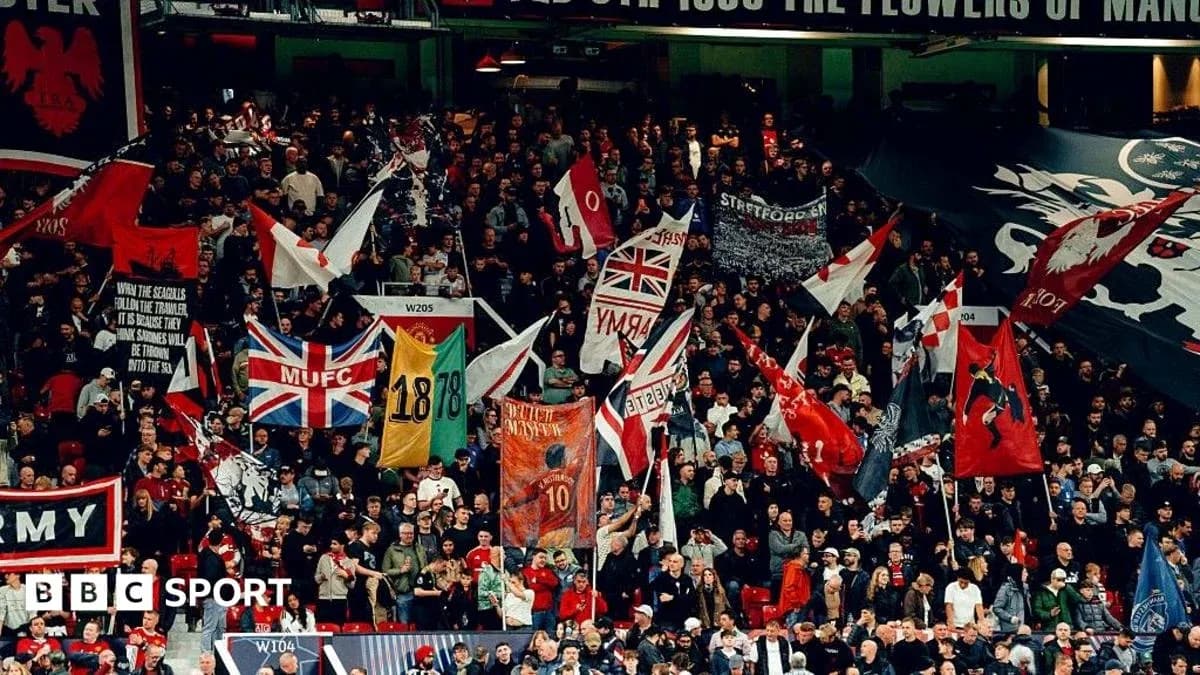
Mistrust towards the ownership was already entrenched. The ticketing row has poured fuel on it. The 1958 fans group has called for a protest before Sunday’s Manchester derby, with the handling of the investigation listed as a central grievance alongside long-standing anger at the Glazers.
United, though, are standing firmly behind the principle of the crackdown.
“The club's guiding principle around ticketing is simple: to keep our fans safe and secure, to protect fair access to tickets for genuine Manchester United supporters and to tackle ticket touting, misuse and activity for financial gain,” the club said.
They are also keen to head off any accusation that this is a money-making exercise. While the appeals process runs, United say any tickets linked to sanctioned accounts will be sold on a match-by-match basis at standard season-ticket prices, not at inflated rates.
“The club is not profiting from this process,” they added.
United’s stance does not exist in isolation. Across the Premier League’s elite, the battle against touting has intensified.
Manchester City moved in March 2025, banning 165 supporters after away fans were discovered in home sections at Etihad Stadium. Liverpool went even harder in July 2026, issuing 432 lifetime bans and seizing assets worth more than £1.2m as part of their own crackdown.
The direction of travel is clear: big clubs are no longer prepared to tolerate large-scale ticket abuse, even if it risks a backlash from their own supporters.
At Old Trafford, that tension now sits at the heart of the relationship between club and crowd. United believe they have broken up major touting networks and protected “genuine” fans. Many of those fans feel they were treated like suspects first and valued customers second.
The derby will bring the noise back to the stadium. The question is what kind of message will be ringing out on the forecourt before a ball is even kicked.