Manchester Derby Controversy: VAR and the Offside Law
The Manchester derby has never needed much help to spark controversy. This one didn’t just light the fuse – it blew a hole straight through the debate over VAR and the offside law.
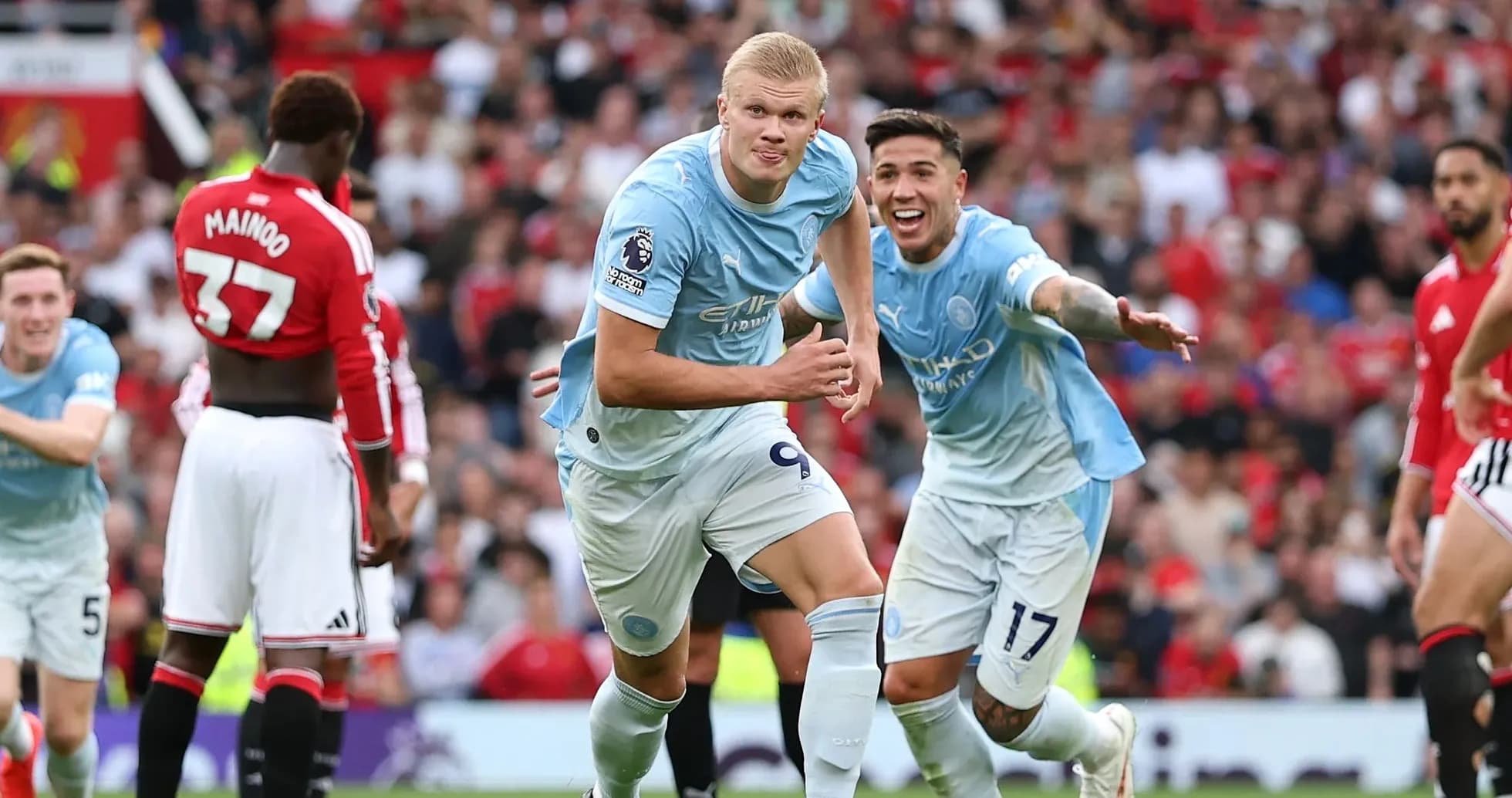
At the heart of it all: Erling Haaland’s 60th‑minute winner at Old Trafford. A Josko Gvardiol cross, a trademark Haaland finish, the flag up, the stadium pausing. Then the familiar, joy-killing wait.
Seconds stretched. The goal, initially ruled out for offside, was dramatically reinstated after a VAR check. Manchester City celebrated. Manchester United fumed. Everyone else reached for the rulebook.
Only later did it emerge that the rulebook had been misread.
A goal, a flag, and a climbdown
The Professional Game Match Officials body contacted Manchester United after the game to admit what many watching had already suspected: the decision was wrong.
An "error of judgment" was the phrase used in the communication to the club. The VAR team, the officials accepted, had failed to properly account for the involvement and positioning of Enzo Fernandez in the phase of play.
Initially, the Premier League Match Centre tried to hold the line. On social media, it defended the call, explaining that VAR had "determined that Haaland was in an onside position" and "deemed that while in an offside position, [Enzo] Fernandez didn't play the ball."
That justification did not survive the weekend.
By Sunday evening, the governing body for officials conceded that the VAR "did not recognise the likely impact" of Fernandez’s position and "should have recommended an on-field review." The very outcome Gary Neville had predicted live on air.
Schmeichel’s patience snaps
For Peter Schmeichel, watching on at the stadium where he built his legend, this was not just another mistake. It was the latest example of a system he believes is poisoning the experience of the game.
Speaking on Viaplay, the former Manchester United goalkeeper did not bother to soften his words.
"I wish that we could scrap VAR," he said, summing up the exhaustion felt in so many stands and living rooms. "We've got into a system now where VAR and the referees are the most important people in football. It sucks all the energy out of it. As soon as there is a goal, you're not allowed to celebrate."
He went further, turning his attention to what it feels like inside the ground when the technology takes over. The spontaneous roar, the surge of bodies, the shared chaos – all placed on hold.
"We saw after five minutes, the players and the fans could celebrate -- but it's not the same. The ball goes in the back of the net, it's a goal, but then the linesman puts his flag up for offside.
"I wish, and I'm longing for these days, we could scrap VAR because it's such an annoyance and it's interfering with football. And it hasn't made it better."
For a man who has lived some of Old Trafford’s wildest nights, that last line lands heavily. If VAR was introduced to improve the game, Schmeichel’s verdict is blunt: it has failed.
Neville lost in the law
Schmeichel was not alone. On Sky Sports co-commentary, Gary Neville watched the same replays, listened to the same explanations, and reached a similar level of disbelief.
"I'm going to need the offside law explaining to me, because that has lost me, I have to say," he admitted as the images rolled and the decision stood. A former defender who lived by the offside trap, suddenly unsure what the law actually means in practice.
Neville went on to suggest that PGMOL would end up walking the decision back. Within 24 hours, that is exactly what happened.
The episode has dragged the offside law itself back under the microscope. Not just its wording, but its interpretation in an age where every movement, every faint touch, is frozen, rewound, and dissected frame by frame.
When does a player in an offside position "interfere"? How much influence is enough? And how many people in the stadium understand any of this in real time?
A technology under siege
The fallout from Old Trafford goes far beyond one wrongly awarded goal. It speaks to a deeper disillusionment with VAR’s role in the Premier League.
The system was sold as a way to reduce controversy. Instead, it has changed the type of controversy. The argument has shifted from "Did the referee see it?" to "Why did the people with all the angles still get it wrong?"
For Schmeichel and a growing number of supporters, the problem is no longer just accuracy. It is emotion.
The clinical, forensic checks, the delays, the stilted celebrations – all of it chips away at what makes football feel alive. The ball hits the net, but the instinctive explosion of joy has been replaced by a glance at the assistant’s flag and a nervous wait for the VAR graphic.
At Old Trafford, that tension boiled over into something more pointed: a sense that the people in charge of the technology do not fully grasp the consequences of their calls, or their errors.
The Premier League now finds itself under mounting pressure. Refine VAR? Redraw the offside law? Or, as voices like Schmeichel’s demand, dare to imagine the game without it at all?
For now, the goal stands in the record books. Haaland scored, City won, United lost. But the moment that really lingers from this derby is not the finish. It is the flag, the pause, the reversal, and the admission that even with all the screens in the world, the game’s soul still hangs in the balance.