.svg&w=384&q=75 "logo")
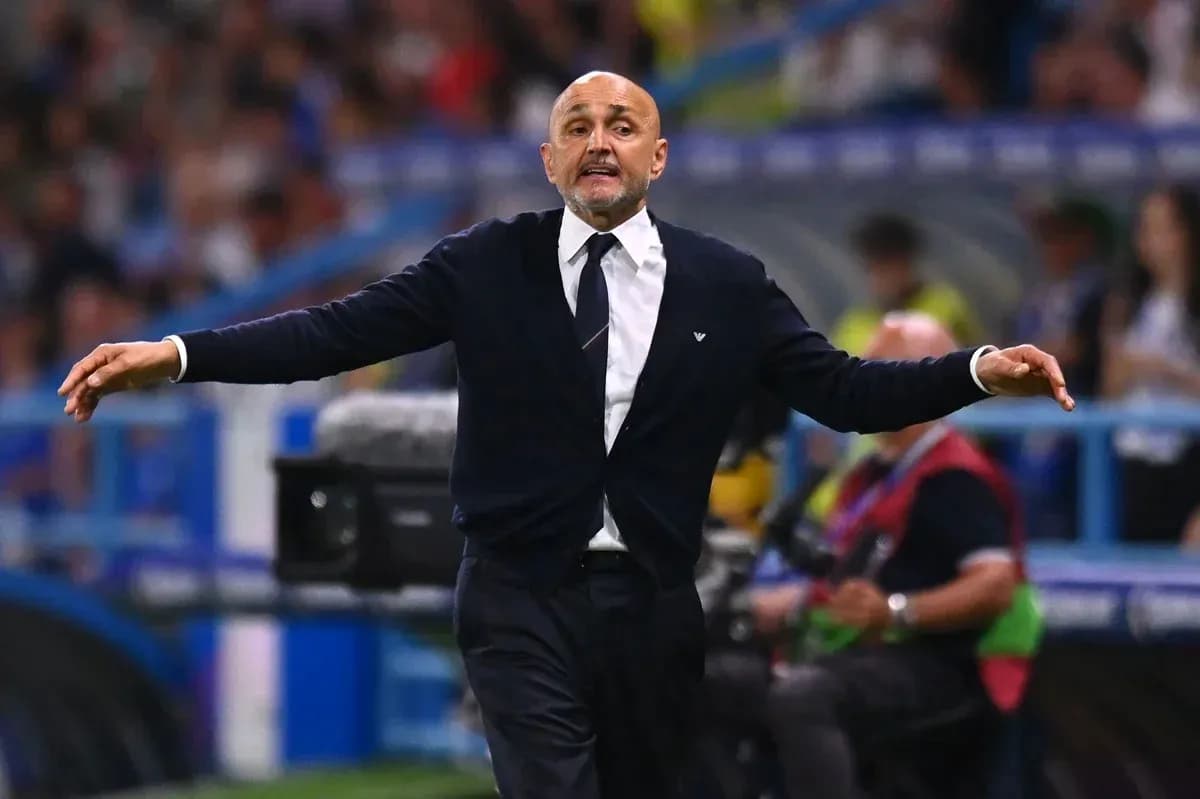
Luciano Spalletti on Juventus' Transfer Reality
Luciano Spalletti knows a fantasy when he hears one. The “perfect” transfer window? It doesn’t exist. Not for Juventus, not for anyone.
Speaking about Juve’s summer business, Spalletti cut through the usual post‑market spin and went straight to the core of modern recruitment: you deal with what is possible, not what is ideal. The club pushed to reinforce the squad, tried to deliver the profiles he had requested, and still, as always, there were gaps between the wish list and reality.
He had asked for specific players. Some arrived, some didn’t. That’s the market.
Spalletti is content with several of the new faces, but no one inside Continassa would pretend this was a flawless overhaul. The coach had expected more movement, more changes, a deeper reshaping of the group. Experience, though, has taught him a hard truth: no coach gets everything. Budgets, rival bids, timing, and sudden twists dictate the pace as much as any sporting director.
So he framed it in simple terms.
“The perfect transfer market no longer exists, only the possible one exists,” he said, via Gianluca Di Marzio. It was less a complaint and more a definition of the era.
From there, he laid out the process. First comes the scouting: identifying players whose characteristics match what the team needs. Then the chaos begins. Deals collapse. Others appear from nowhere. A target is lost, a new opportunity opens up. Plans drawn up in June can be shredded by July.
Just like on the pitch, he argued, you adapt or you lose.
“Sometimes you make a plan of action and the others are better,” Spalletti noted. “You have to adapt to what happens in the dynamics. Our directors have been very good at fitting into the right contexts and adapting to what the market has to offer.”
It was a pointed compliment. Juventus’ directors, under financial and competitive pressure, had to navigate a market where every move is scrutinised and every misstep amplified. Spalletti’s message: they read the landscape, reacted quickly, and squeezed value from the chances that actually materialised.
Now the theory ends and the reality begins.
Juve’s business contained smart pieces, even if it fell short of the sweeping rebuild a coach might dream of. The squad is stronger on paper, but the real work starts on the training ground. Spalletti must weld the new signings into the core of the team, balance egos and roles, and turn individual additions into a coherent unit.
If those arrivals settle quickly and hit their level, the Bianconeri have enough to mount a serious push and fight for trophies. His words suggest no illusions, only acceptance: the club operated within its limits and did what it could.
The rest of the season will reveal whether “the possible” was good enough.