Grassroots Football Faces Crisis as Pitches Close Under Strain
On the professional stage, football shrugs off almost anything – rain, wind, even snow under floodlights. At grassroots level, it is far more fragile. In recent months, extreme heat and prolonged drought have done what few opponents can manage on a Saturday afternoon: they have shut the game down.
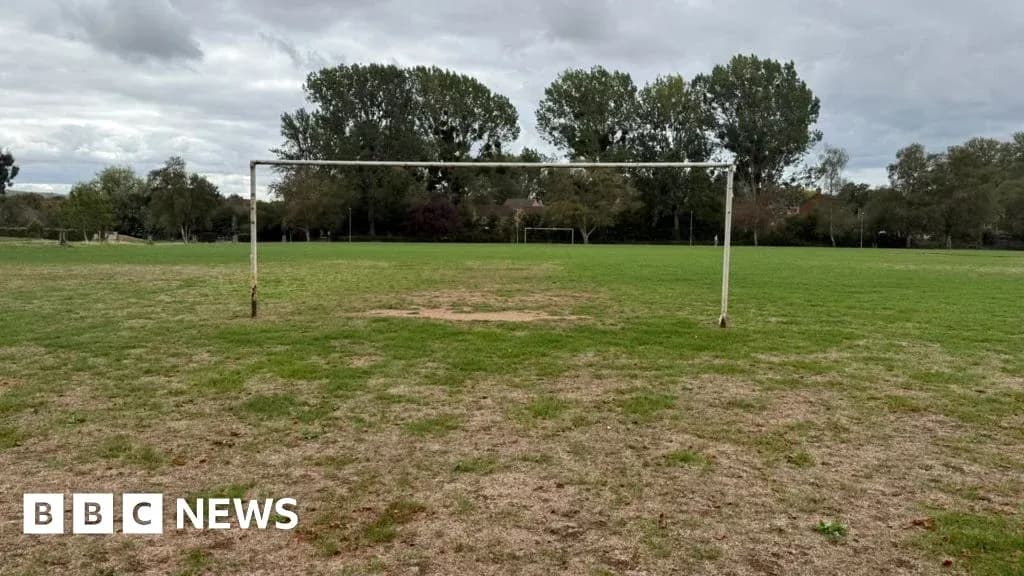
Taunton Town Council has closed its sports pitches, a decision taken, it says, to “protect the long-term quality and sustainability of the facilities” and to safeguard player safety. The surfaces have been baked hard, the grass weakened, and the risk of serious damage – to both pitches and players – has become too great.
For local football, that call lands like a red card.
Paul Coltman, a football consultant working with the affected clubs, paints a stark picture. This is not just about a few postponed fixtures. It hits everything: league matches, midweek training, kids’ sessions, informal kickabouts in the park.
“We're already close to breaking point with more teams than we have pitches,” he said.
The maths is brutal. With several venues out of action, the remaining playable surfaces must carry an even heavier load. “Those pitches that are still usable will now have more games on them which means the knock-on effect is huge.”
The strain is not only on grass and soil. It runs straight through the people who keep the local game alive.
“This is a huge impact on local football and a massive drain on an already shrinking volunteer base,” Coltman said.
Every cancelled slot means another round of rearranging, negotiating, lining, marking, and firefighting from committees already stretched to the limit.
The council’s explanation is blunt but consistent with what anyone walking across a parched field can see. The extended drought has weakened the grass cover and hardened the playing surfaces to the point where, according to a spokesperson, “continued use at this stage could cause significant damage to the pitches and affect their condition for the remainder of the season.”
The pressure finally told. Carry on now, and the surfaces might not just be poor this month – they could be ruined for the year.
There are tentative signs of recovery, the council insists. “Whilst the pitches are showing signs of recovery, they remain under considerable stress and require additional time to recover fully before regular play resumes,” the spokesperson said. Inspections are ongoing, and the situation is being reviewed week by week.
For clubs, that kind of rolling uncertainty is a logistical nightmare. Fixtures do not wait. League calendars do not pause.
Coltman is clear this crisis did not begin with a heatwave. The weather has exposed a deeper problem. “This is a result of years of neglect and poor maintenance,” he said. The pitches were already in decline; the extreme conditions simply accelerated the damage.
Now, teams are forced into a scramble for alternatives. “Those clubs are now going to need to work together to find alternative venues,” Coltman said. That might mean sharing grounds, shifting kick-off times, or travelling further just to get a game on. For parents, coaches, and volunteers, it means more time, more cost, more strain.
“This isn't going to go away quickly by the sound of things,” he added.
So the grassroots game waits – on rain, on recovery, on inspections and council updates. While elite clubs play on pristine surfaces, local football finds itself fighting just to stay on the pitch at all.