.svg&w=384&q=75 "logo")
Ferrari’s Monza Meltdown: Vasseur Under Scrutiny
Ferrari did not just leave Monza with a sixth place for Lewis Hamilton and a broken car for Charles Leclerc. It left with a crisis of confidence, a leadership debate raging, and the sight of a Mercedes winning from 19th on the grid.
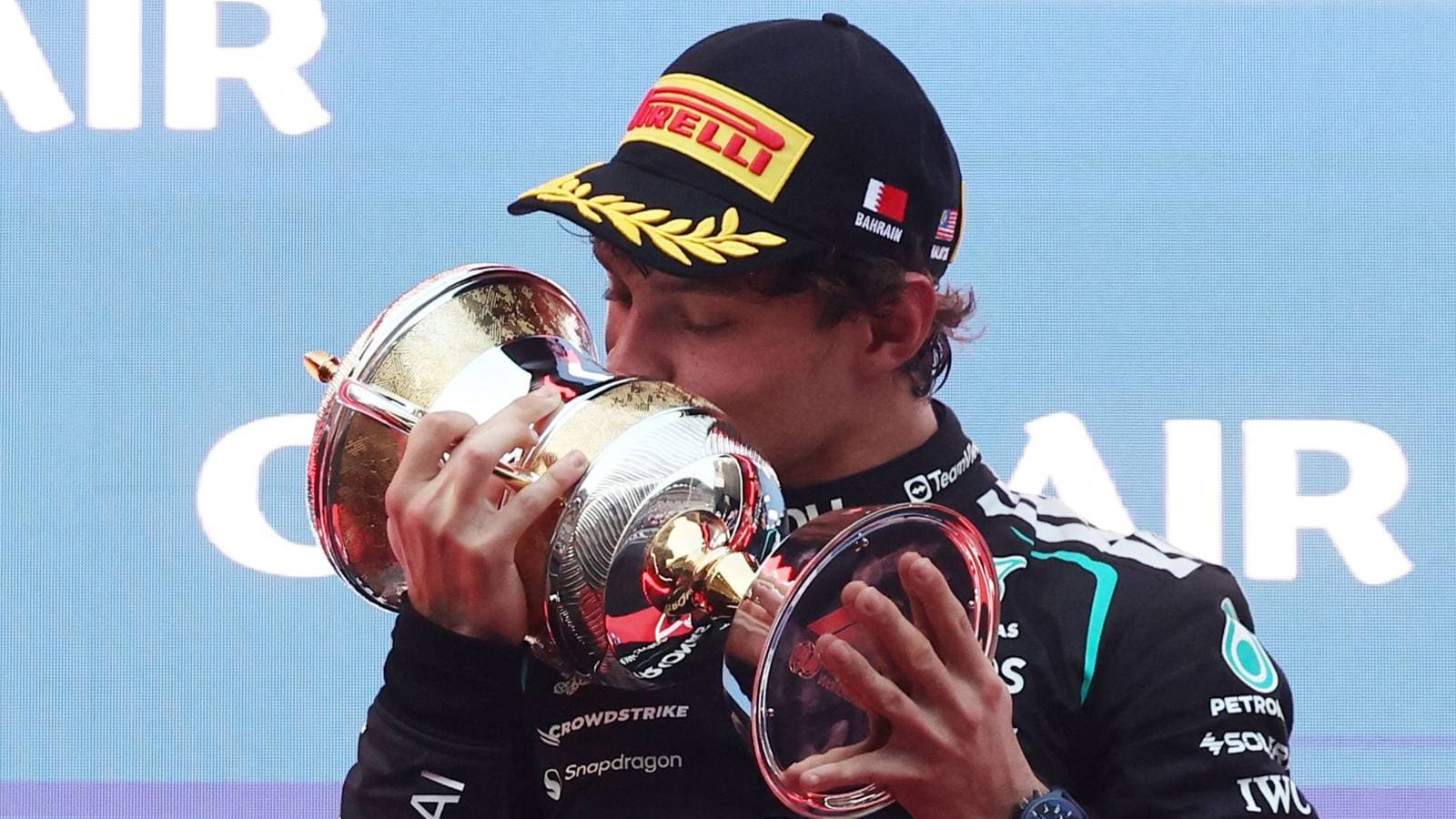
On home soil. In front of the Tifosi. With Kimi Antonelli – in a silver car – carving through the field to win the 2026 Italian Grand Prix.
For Maranello, that stung far more than the final classification suggested.
A Home Race That Fell Apart in Two Laps
The weekend barely had time to breathe before it imploded.
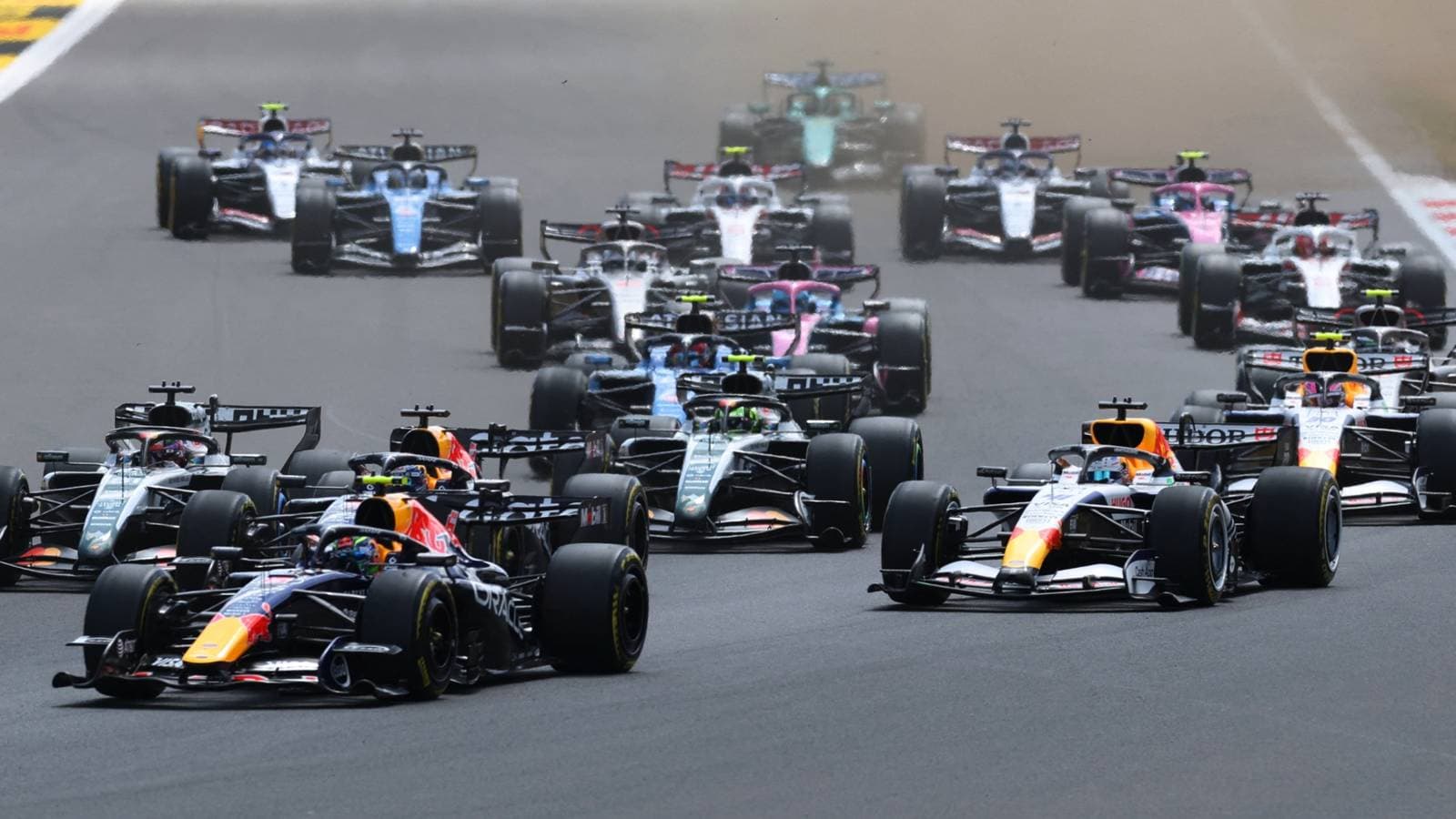
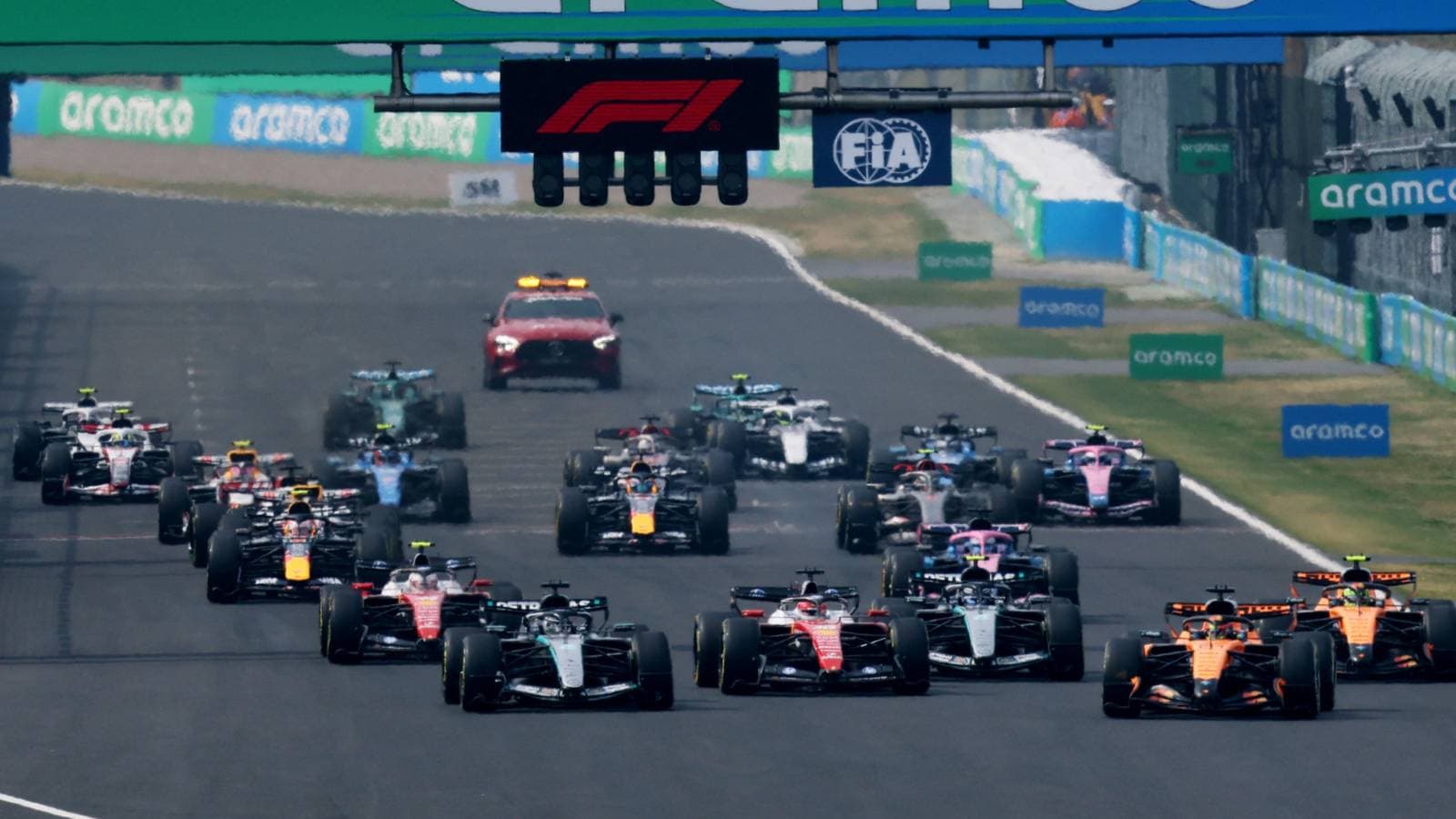
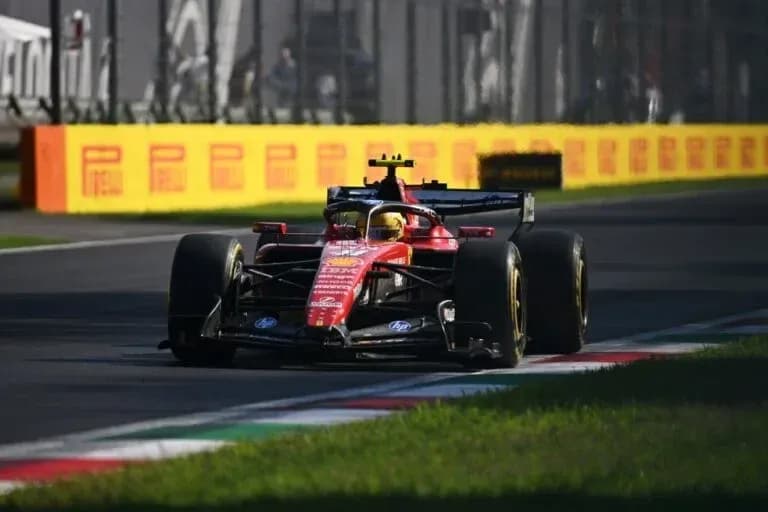
Hamilton and Leclerc lined up third and fourth, the red cars stacked on the second row with genuine hope of a podium and, perhaps, more. The start was clean enough, but the first chicane turned into a flashpoint. The two Ferraris ran side by side, Hamilton ending up on the gravel as the space ran out.
He lost positions immediately. The damage to Ferrari’s race, though, was only beginning.
Moments later, on lap two at Curva Alboreto, Leclerc’s race ended in the barriers. The grandstands fell quiet. One car out, the other shuffled down the order, and 51 laps still to go.
Hamilton recovered to sixth by the flag, but the result felt hollow against what might have been – and what Antonelli managed to produce in a Mercedes that looked untouchable on the straights.
Hamilton’s Frustration Spills Over
Hamilton did not sugar-coat the start incident.
“I was ahead in Turn 2, by the apex I was ahead,” he said. “So, there's no ‘we’. It was very bad for the team and put us way back in positions.”
From there, his race became an exercise in damage limitation and quiet fury. He spoke of trying to reset, of chasing back through the field, only to feel the strategy slip away from him too.
“We had to stop and I think we put the wrong tyres on probably,” he admitted. The disappointment ran deeper than just one call on rubber. He talked about lost ground in the championship, about decisions coming “many many weeks too late”, and about the sense that his own efforts were being undercut by the wider operation.
What hurt him most, he said, was the Tifosi and the people back at the factory “giving it everything” while execution on track faltered on successive days.
The words were raw. They also fed straight into a question Ferrari has tried to avoid answering publicly: who is really in charge when the lights go out and the two red cars are fighting each other?
A Team Without Clear Lines
Inside the paddock, Monza has reignited the debate about Ferrari’s internal order between its drivers. The Race has pointed to both Monza and the Dutch Grand Prix as key exhibits in the case against the current structure.
The pattern is becoming familiar. Hamilton and Leclerc race hard, the team hesitates, and the outcome looks chaotic rather than controlled. On a normal circuit that is damaging. At Monza, it becomes unforgivable.
The scrutiny does not stop at driver management. Ferrari’s power unit is also under the microscope.
The second ADUO upgrade was meant to drag the red cars closer to Mercedes on a power-sensitive track that should have suited them. Instead, the silver cars were gone, especially Antonelli’s. On the straights, Ferrari looked like the hunter who suddenly realises the prey has been running in a different league all along.
On top of that, The Race has highlighted concern over Ferrari’s reaction – or lack of it – to the revised start procedure. In an era where the margins are razor-thin, being slow to respond to procedural changes is the sort of detail that separates champions from contenders.
Right now, Ferrari does not look like the former.
Vasseur Under Pressure, With No Clear Plan B
All of this has dragged Fred Vasseur to the centre of the storm.
He signed a renewed multi-year deal only last year, a sign at the time that Ferrari wanted continuity after years of upheaval. Now, according to insiders quoted by The Race, management is anything but satisfied with how Monza unfolded.
This is not yet a decision point, but it is very clearly a discussion point.
Names are already being whispered, and they are familiar ones. Antonello Coletta, the man leading Ferrari’s World Endurance Championship programme, has long been mentioned as a candidate for an F1 leadership role. Christian Horner’s name also refuses to go away. He reportedly turned down Ferrari after an approach from chairman John Elkann in the past, but remains part of the succession talk.
In Italy, the language has sharpened.
Corriere della Sera captured the mood bluntly: “In Maranello, and especially in Turin, they're thinking about it. We can't go on like this.”
The paper reported that Vasseur himself understands his future is uncertain despite the recent contract renewal, with “pressures from on high” that could trigger a change.
Not immediately, they suggest. But Monza, they warn, “could have revolutionary effects.”
The same report called it “a major turning point at Ferrari” and underlined the paradox at the heart of the crisis: “There is no Plan B beyond the French manager. Vasseur's Ferrari is under scrutiny. By Elkann's Ferrari, which can no longer pretend nothing is wrong.”
That is the crux. Ferrari is questioning the man in charge while admitting there is no ready-made alternative.
Monza was supposed to be a celebration of Ferrari’s resurgence with a seven-time world champion in its colours and a proven race-winner alongside him. Instead, it exposed every fault line – in strategy, in technical development, in leadership.
Antonelli’s charge from 19th to victory for Mercedes turned the knife. If a teenager in a rival car can pull off the impossible in front of Ferrari’s own people, how long before Maranello decides that “we can’t go on like this” is not just a headline, but a command?