England vs Spain: A Clash of Titans at Wembley
Wembley is used to big nights. This one feels bigger than most.
On 26 September 2026, at 18:45 GMT, England open their 2026/27 UEFA Nations League campaign by welcoming world champions Spain back to London in a Group A3 clash loaded with history, scars and opportunity.
Wembley, Revenge and a New Cycle
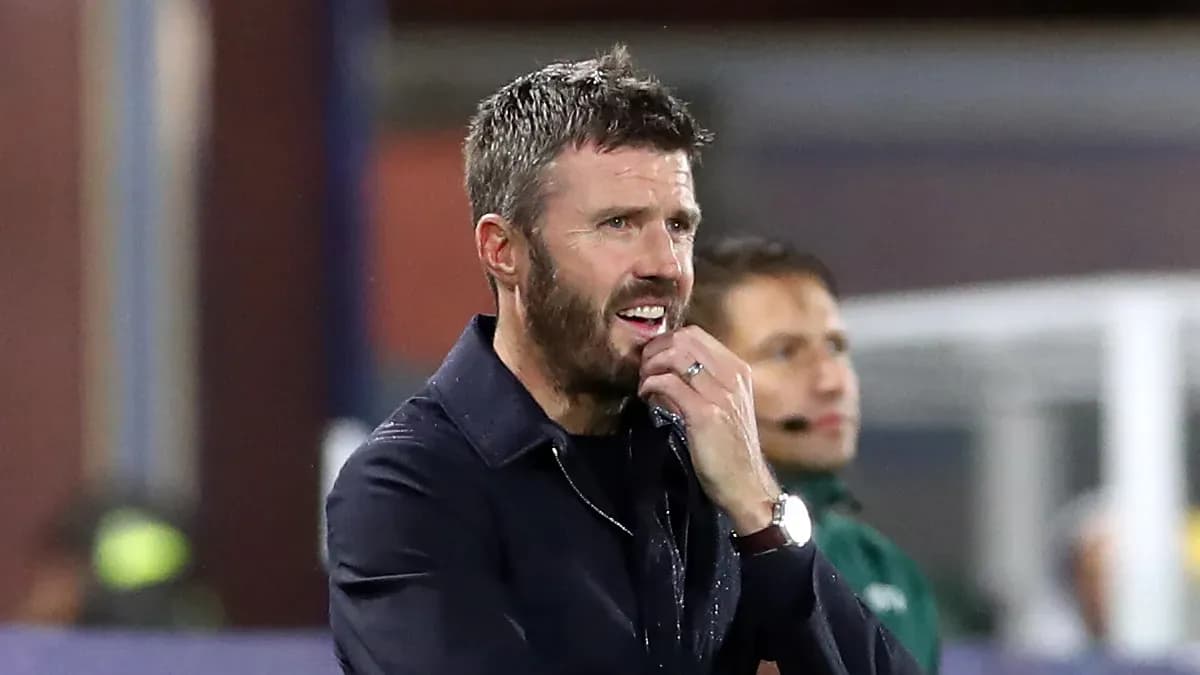
England arrive with something to prove and something to protect. Thomas Tuchel’s side are fresh from a wild, bronze-medal finish at the World Cup in North America, where they tore through a chaotic third-place play-off to beat France 6–4. It was frenetic, flawed and unforgettable – and it underlined what this England are now: dangerous, ambitious, and still learning to live with the chaos that comes with trying to play on the front foot against the very best.
Now they step back onto home soil, at Wembley, with the memory of Euro 2024 still burning. Spain edged that final, and the image of La Roja lifting a trophy England felt was within reach has never really faded. This is not a final, not a knockout tie, not yet. But for Tuchel, for his players, this feels like the start of a new chapter in the same story.
Group A3, with Croatia and Czechia also lurking, is no gentle reintroduction. Drop points early and the pressure tightens. Lay down a marker here and the rest of the group suddenly looks very different.
Spain: Champions Who Don’t Know How to Step Off the Gas
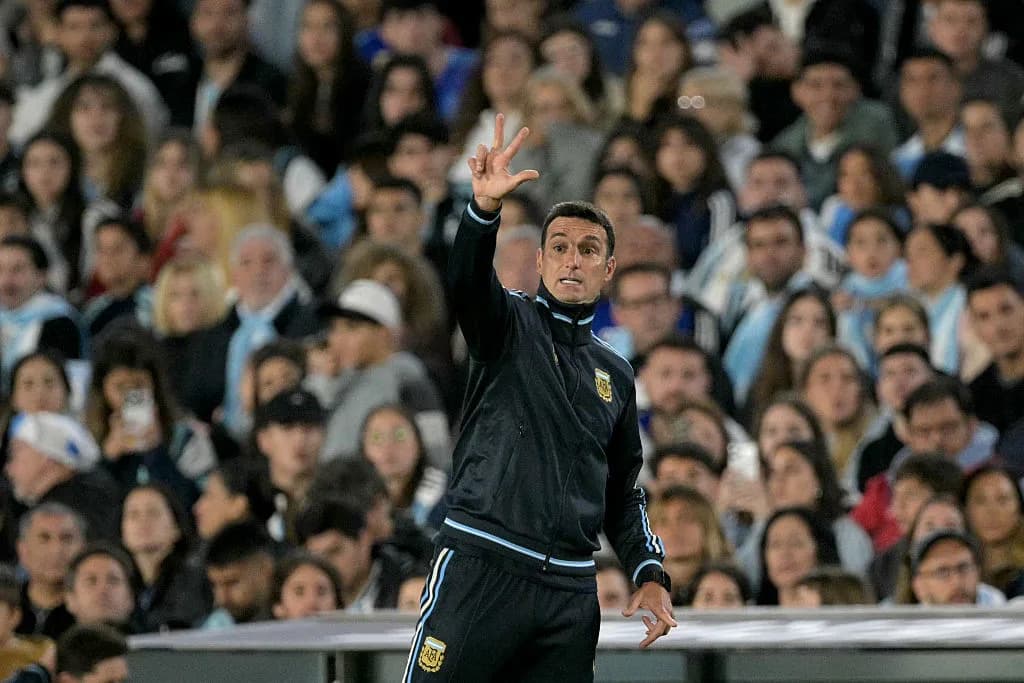
Spain arrive in London as the standard-setters of the international game. Luis de la Fuente’s side were ruthless in North America, winning the World Cup without losing a match, conceding just two goals in their last five outings and closing the tournament with a cold, controlled 1–0 win over Argentina in the final.
They didn’t just win; they dictated. Rodri and Pedri orchestrated the tempo in midfield, while the flanks belonged to Lamine Yamal and Nico Williams, whose pace and directness ripped open defences all summer. That balance – control at the core, electricity on the wings – is what England must disrupt if they want to turn Wembley into a statement rather than a stage for another Spanish masterclass.
De la Fuente has kept faith with his core but has also refreshed the squad for this Nations League cycle. A 26-man group has been named, with Fermin Lopez and Dean Huijsen returning to the fold, a reminder that even as world champions, Spain are still evolving, still layering competition and depth. Full details of his XI will come closer to kick-off, but the structure is clear: Spain will come to Wembley to play their game, not to react to England’s.
England’s Form: Goals, Gaps and a Growing Identity
Tuchel’s England have results on their side. Four wins from their last five, the only blemish that semi-final defeat to Argentina at the World Cup. Across those five matches they scored 11 and conceded six, numbers that tell a simple story: they can hurt you, but you can hurt them back.
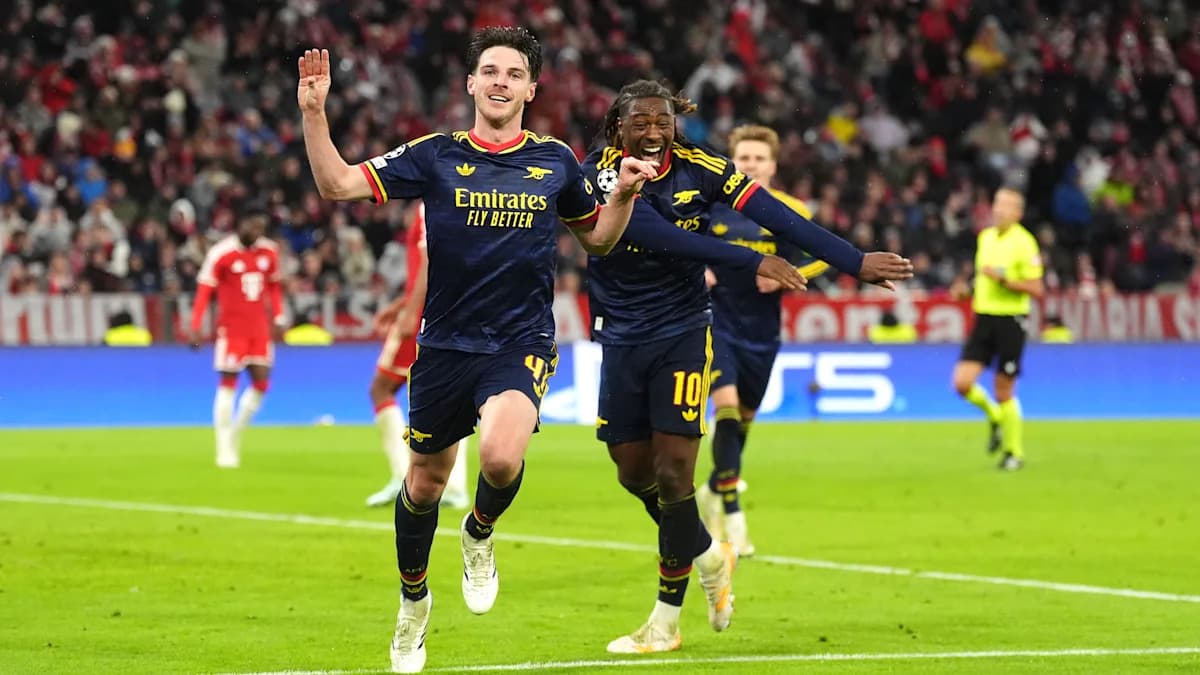
Bukayo Saka, Jude Bellingham and Declan Rice remain the spine of this team’s identity. Saka offers width and incision, Bellingham provides drive and invention between the lines, Rice anchors everything with his range and authority. Add Phil Foden’s craft into that central unit and England have a midfield capable of going toe-to-toe with anyone on the planet.
Tuchel’s squad, though, is not untouched. The full-back situation is already a concern. Tino Livramento is expected to withdraw after suffering a fresh injury in Newcastle training, leaving England short in a position Tuchel values heavily for his build-up and pressing schemes. Trent Alexander-Arnold’s recall suddenly looks even more significant, his passing range and ability to step into midfield potentially crucial in bypassing Spain’s press. Cole Palmer also returns, giving England another creative option between the lines or drifting in from the right.
The full team news will crystallise nearer kick-off, but the outline is obvious: Tuchel has attacking tools, he has a core he trusts, and he has a tactical puzzle to solve at the back.
The Midfield Battle: England’s Engine vs Spain’s Metronome
When these two collide, the conversation always drifts to the middle of the pitch. It should. That is where this game will be decided.
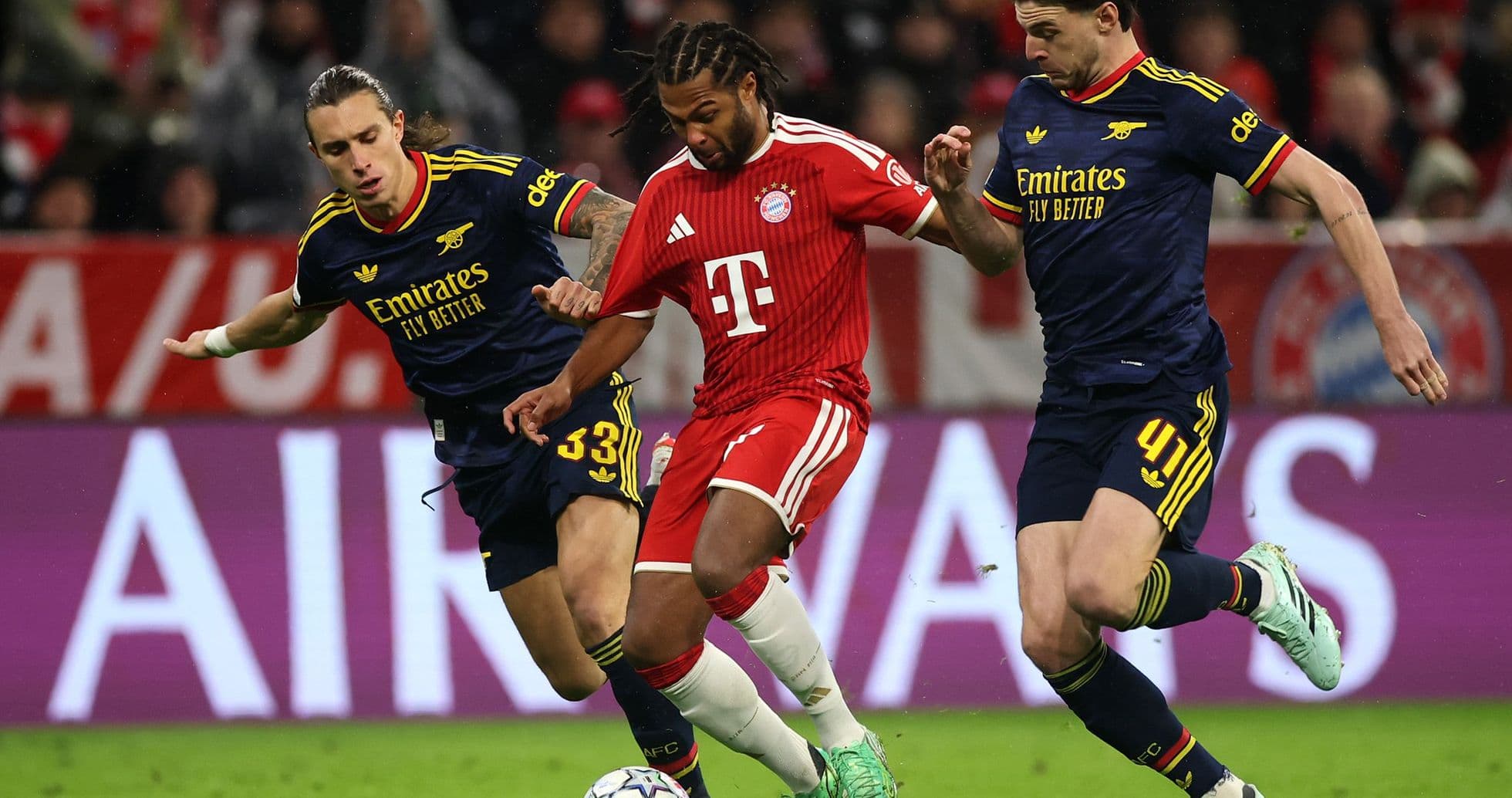
Spain’s rhythm comes from Rodri and Pedri. Rodri sits, screens, passes, dictates. Pedri knits everything together, finding angles, drawing pressure, releasing those wide runners. Break that axis and Spain start to look human. Let it breathe and they suffocate you with possession, territory and patience.
England’s answer lies in their own central trio. Bellingham, Rice and Foden will be tasked with disrupting that metronome, turning Spain’s comfort on the ball into uncomfortable duels and awkward turnovers. Rice must track runners and close lanes into Pedri; Bellingham will be asked to surge past markers and force Rodri to defend facing his own goal; Foden has to find pockets where he can hurt Spain before they regroup.
This is not just a tactical duel between Tuchel and de la Fuente. It is a test of which footballing philosophy bends first: England’s aggressive, vertical intent, or Spain’s technical fluency and suffocating control.
Wide Threats and Defensive Nerves
Just when you think you’ve covered the midfield, the flanks take over.
Spain’s use of Yamal and Nico Williams was one of the defining features of their World Cup run. They stay high, they stay wide, and they demand the ball early. Give them space and they drive straight at you. Show them inside and they combine with the midfield. Force them outside and they still find a way to deliver. For an England defence missing a key full-back and still searching for complete stability, those match-ups could decide the night.
Tuchel will know that his own wide players can do damage too. Saka’s ability to isolate and beat his man, to cut inside or hit the byline, stretches any back line. If Palmer features, his intelligence in half-spaces will test Spain’s full-backs and wide midfielders. The question is who wins the territorial battle: do England pin Spain back, or do they spend long stretches shuffling and sprinting towards their own goal?
History Lurking in the Background
These two nations have shared some vivid recent chapters. Spain’s 2–1 win over England in the Euro 2024 final still stings for the Three Lions, a night that underlined La Roja’s big-game composure. Before that, England had their own moment in Seville, a breathless 3–2 Nations League win in 2018–19 that showcased their capacity to punch back on Spanish soil.
Across the last five meetings, Spain hold the edge. They have been the more consistent, more clinical side when it matters. There was also that 2–2 draw in a 2016 friendly, a reminder that even when the stakes are lower, these games rarely drift into irrelevance. They tend to swing, twist, and leave a mark.
A Group-Stage Game That Refuses to Feel Like One
On paper, this is Matchday 1 of the Nations League. Three points, an early marker in Group A3, nothing more. In reality, it carries far more weight.
England want to prove that their high-scoring World Cup run was not a one-off burst of form but the foundation of something more durable under Tuchel. Spain want to show that their World Cup triumph was not a peak but a platform, that they can dominate a new competition cycle with the same authority.
The stakes are clear, the narratives already written in the background. When the whistle goes at Wembley, though, it boils down to something simpler: can England finally tilt a big night against Spain in their favour, or will the world champions walk off the Wembley pitch with another reminder of who runs the international game?