What Does Elite Mean at Manchester United?
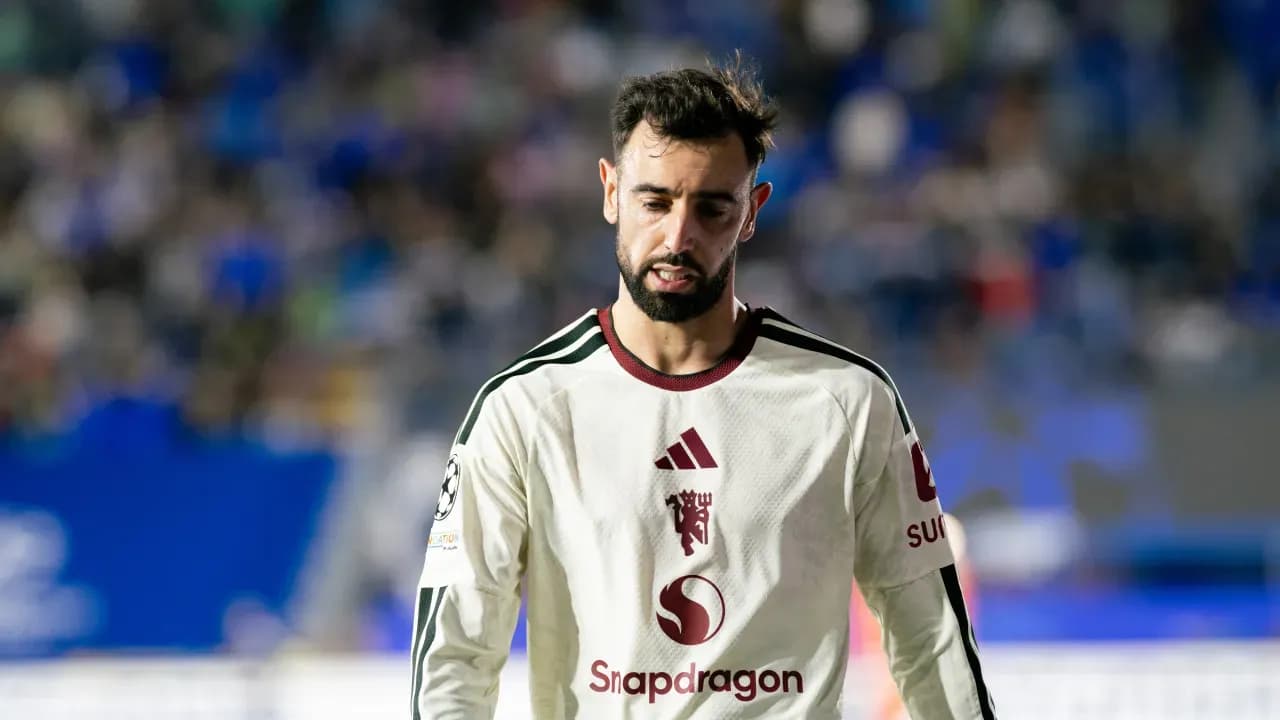
At Manchester United, a 15-year-old is forcing a brutal question: what does “elite” still mean at Old Trafford?
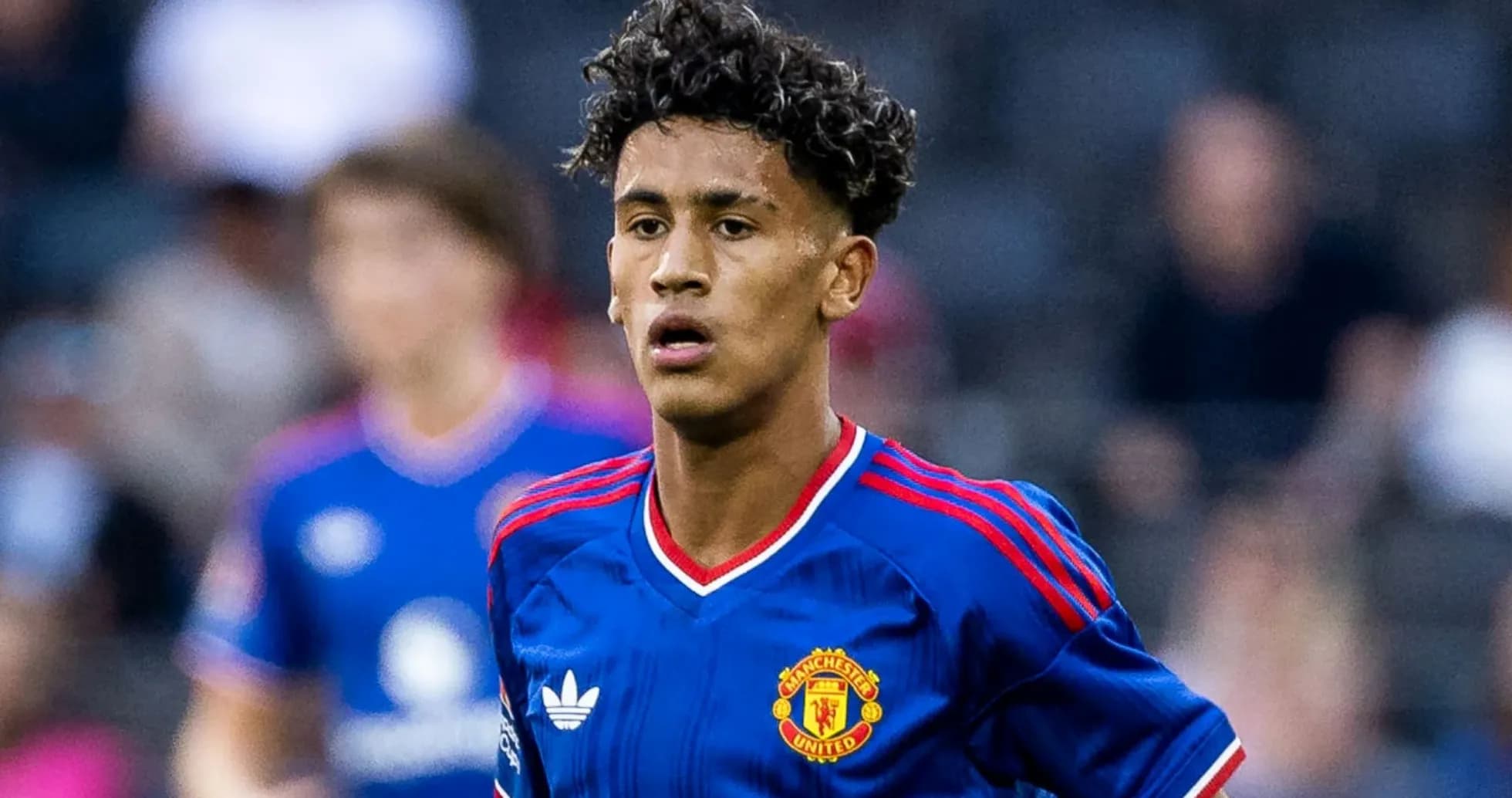
Gabriel, a highly rated academy forward who joined United at 11, has stunned the club by formally asking to be deregistered and have his deal terminated before it expires at the end of the season. United have flatly refused. They see him as one of the jewels of their youth system, a player who caught the eye with the senior squad in pre-season and, in their view, someone to build around, not let go.
The teenager sees it differently.
A prodigy on the outside looking in
The breaking point came with team sheets. Gabriel has been omitted from recent first-team matchday squads, left watching as United cruised to a 4-0 Champions League win over Sabah and then crashed out of the Carabao Cup in a 3-2 defeat to Brighton.
For a boy on the brink of 16, those decisions cut deep. His birthday on October 6 should have been the moment the club and player moved towards a scholarship agreement. Instead, that scenario now feels distant. The idea of committing his future to United, even at youth level, is slipping away.
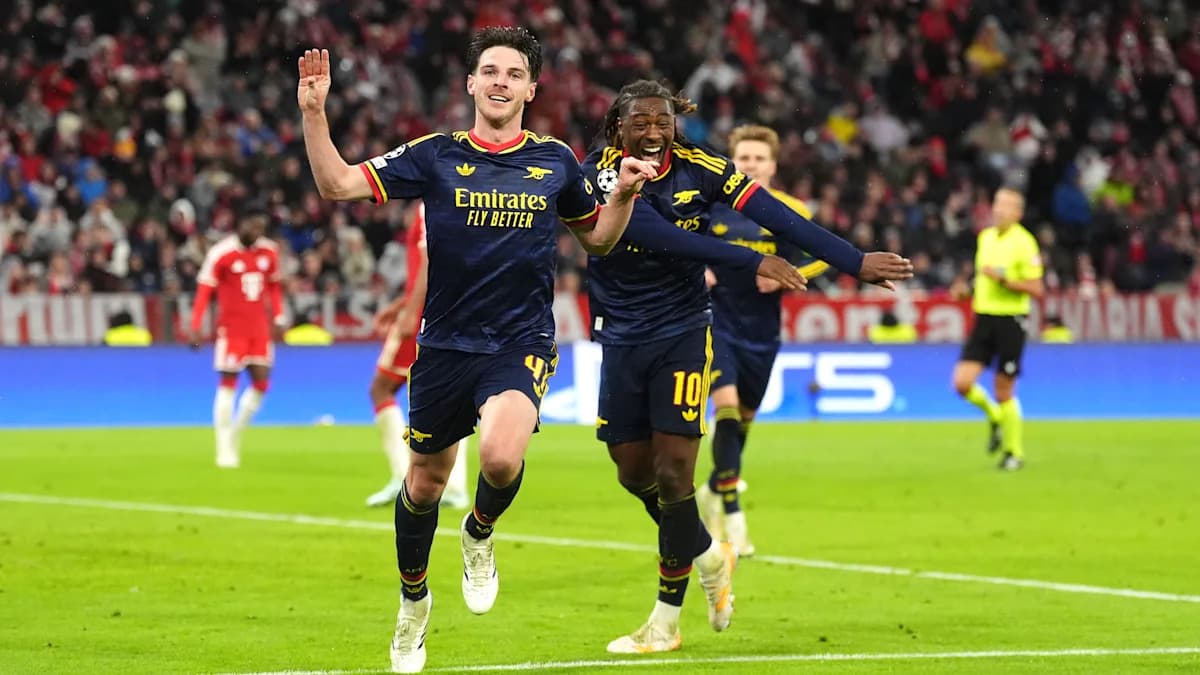
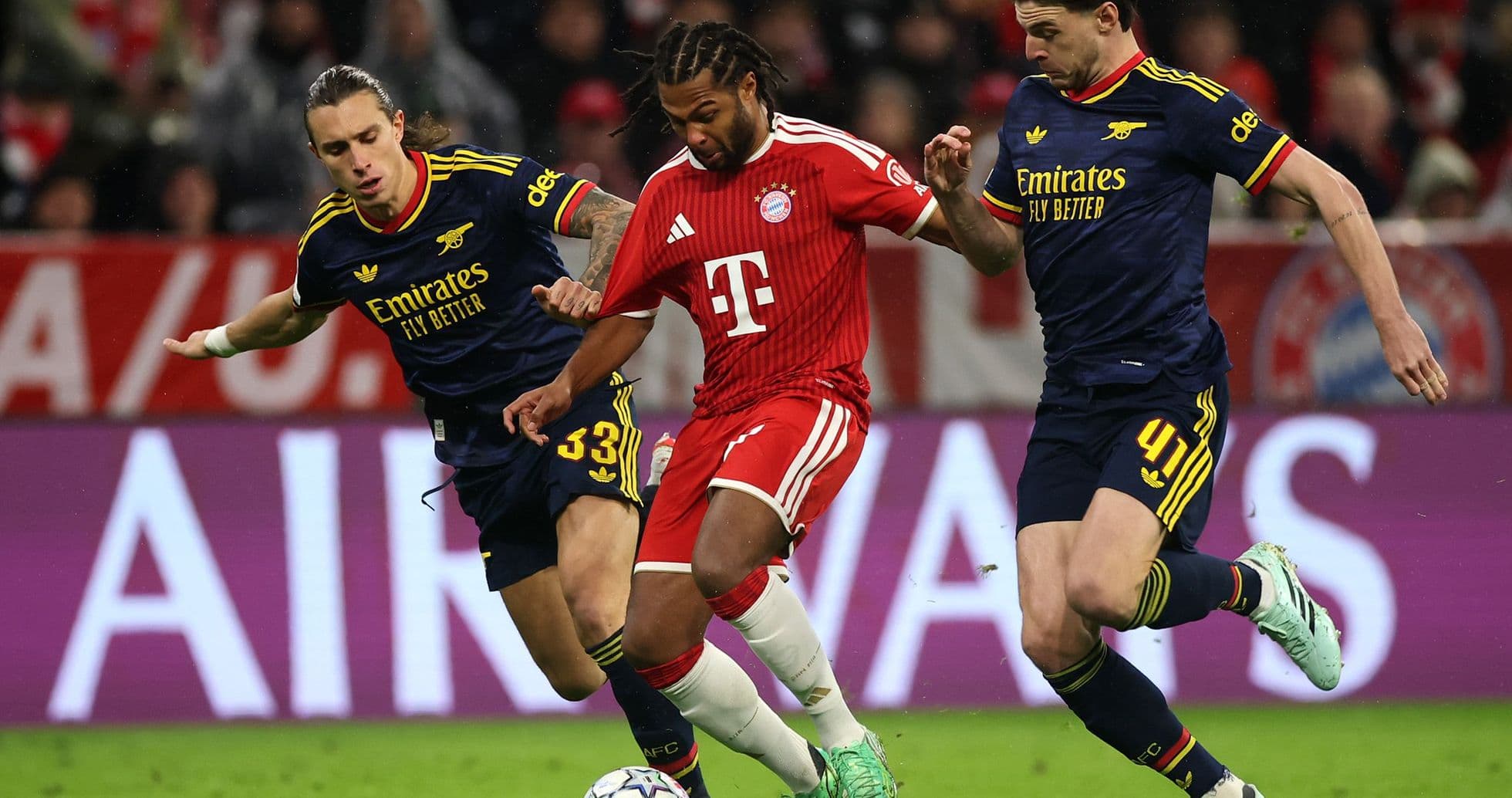
Behind his stance is a blunt assessment from his camp of where United now sit in the European hierarchy. According to the Daily Mail, Gabriel’s family believe the club have fallen a long way behind the modern superpowers: Arsenal, Manchester City, Bayern Munich, Barcelona, Real Madrid. If you want to learn your trade alongside the very best, they argue, you no longer stay in Manchester.
They want him educated in the harshest, highest-level environments. The sort of dressing rooms where Champions League knockout rounds are an expectation, not a dream.
Europe’s giants circle
That ambition has not gone unnoticed. Some of the continent’s biggest clubs have already moved.
Preliminary talks have reportedly taken place with both Barcelona and Real Madrid. Gabriel’s Irish EU passport is a significant asset, making any switch to Spain smoother in regulatory terms and removing a layer of red tape that can often stall cross-border moves for teenagers.
Bayern Munich are watching closely too, weighing up whether this is another opportunity to pluck a gifted youngster from a club in flux. Agents, sensing a rare opening around a coveted prospect, are jostling for position, keen to be the ones who guide the next step of his career.
If he chooses to stay in England, there is a clear frontrunner. Chelsea are understood to be leading the domestic chase. A move to Stamford Bridge is not straightforward, though. The club are currently serving a nine‑month ban on registering academy players, meaning Gabriel could not be officially signed until January. For a 16-year-old desperate for clarity and momentum, that delay is not a minor detail.
United’s decline laid bare
The family’s harsh verdict on United is not delivered in a vacuum. It is framed by a decade of underachievement and a present that looks uncomfortably ordinary.
United have not lifted the Premier League title since Sir Alex Ferguson walked away in 2013. The aura that once made Old Trafford the natural destination for the brightest young talents has thinned with every misstep. This season’s start has only deepened the sense of drift.
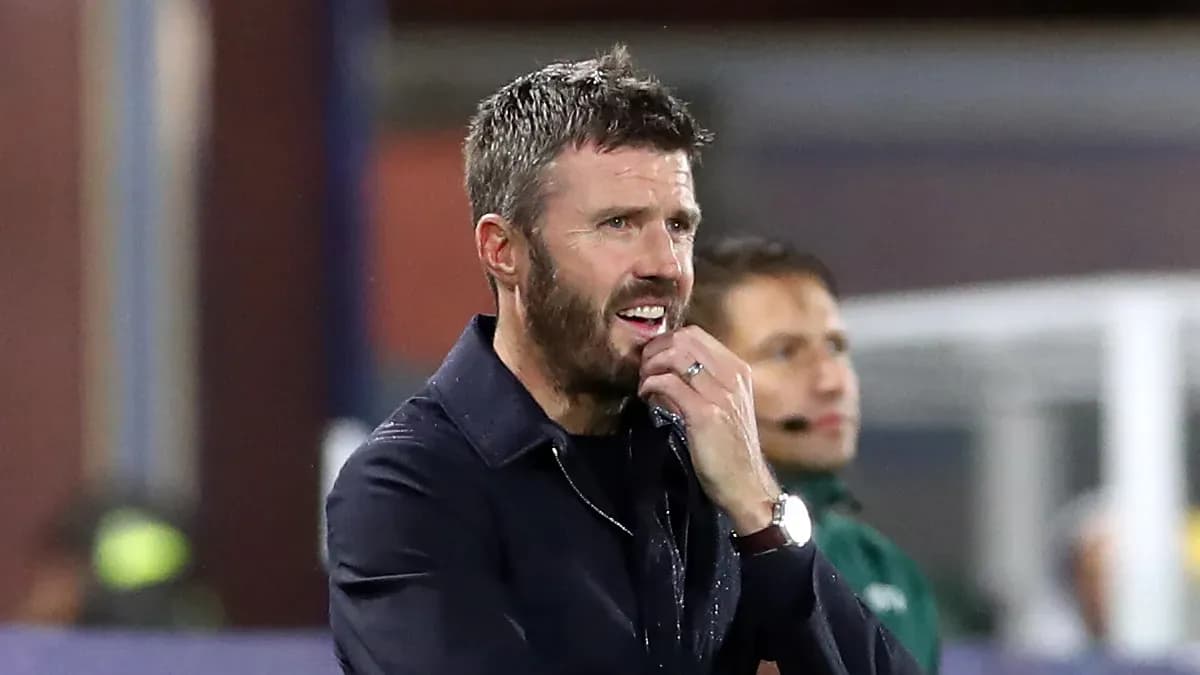
Michael Carrick’s side sit 12th in the table after a 1-1 draw with Fulham, with just one win from their opening five league games. Their Carabao Cup campaign is already over. The mood around the club is heavy, the standards on and off the pitch a long way from the benchmark Gabriel’s camp believes he needs.
For emerging talents, that matters. They look for a pathway, yes, but also for stability, for a clear footballing project, for a club that feels like it knows where it is going. Right now, United are struggling to sell that story, even to their own.
A delicate standoff
Inside Carrington, they know what is at stake. Losing one of the academy’s brightest prospects would be a damaging symbol as much as a sporting blow, another reminder that the old gravitational pull of the badge is weakening.
United have rejected Gabriel’s deregistration request and are braced for a tense stand-off in the weeks ahead. They must convince a teenager and his family that patience will be rewarded, that his future can still be written in red.
Michael Carrick has tried to lower the temperature in public, conscious of the spotlight already trained on a boy who has yet to turn 16.
“I think he’s a young boy, JJ, and I think it’s important that we certainly don’t put anything out here,” Carrick said recently. “I think the exposure and the scrutiny and everything that, you got to be careful and be sensible and think of him as much as anything.”
The message is clear: protect him, shield him, give him space. The reality is harsher. There is no hiding place when Barcelona, Real Madrid, Bayern Munich and Chelsea are hovering, and when a club that once defined excellence is being openly questioned by its own.
For United, this is no longer just about one precocious forward. It is a test of whether they can still persuade the next generation that Old Trafford is where the best go to grow, not where they go to wait.