.svg&w=384&q=75 "logo")
Deportivo Cali Faces Crisis After Johan Martínez Armed Attack
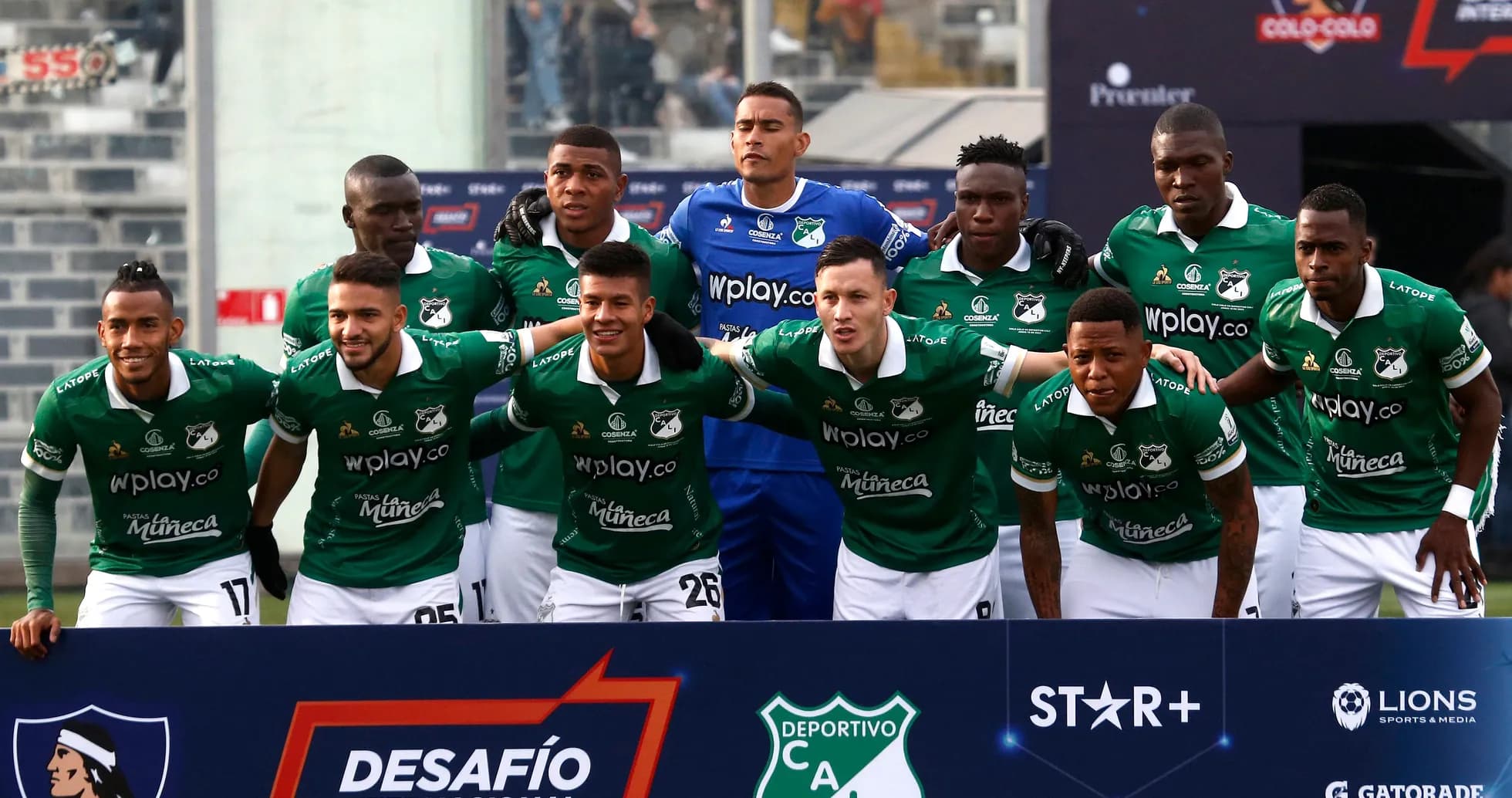
Deportivo Cali have been plunged into crisis off the pitch after Johan Martínez was violently assaulted and threatened at gunpoint in Cali while travelling with his family, in an incident that has shaken Colombian football’s sense of safety to its core.
The attack, reported by Marca, unfolded as Martínez moved across the city with his loved ones, only to be ambushed by armed individuals described as alleged supporters of the club. What should have been a routine journey became a terrifying ordeal.
The club reacted fast. Shocked, angry, and on the defensive.
In a strongly worded official statement, the Azucarero hierarchy drew a clear line in the sand: “Club Profesional Deportivo Cali S.A. categorically rejects the acts of violence and intimidation to which our player was subjected yesterday. Our institution expresses its full support and solidarity with Johan and his family. No form of aggression, threat, or intimidation has a place in football or in our society.”
Those words carried weight, but the details revealed by the club’s legal director, Felipe Restrepo, underlined just how close the incident came to disaster.
Speaking to Super Combo del Deporte, Restrepo laid bare the brutality of the ambush: “They intimidated him with a firearm, they assaulted him; this cannot happen, people who do this are not fans.”
Not fans. Criminals. That was the message from inside Deportivo Cali: this was not passion spilling over, this was a line being crossed.
Trauma, recovery, and a squad under strain
The consequences go well beyond one player’s fear-filled night. The assault on Martínez has reignited a fierce national debate over the protection of professional footballers and their families at a time when violence around the Colombian game feels alarmingly common.
Deportivo Cali moved quickly to wrap support around their midfielder. Club officials confirmed that Martínez has been given intensive psychological counselling to help him process the trauma of the hold-up. The priority was clear: stabilise the person before worrying about the player.
Even so, in a show of resilience that will not be lost on teammates or supporters, Martínez has already rejoined first-team training. He escaped serious physical injury, but the emotional scars will take longer to measure.
Inside the dressing room, the impact is unavoidable. Players now carry the knowledge that what happens away from the stadium can be just as dangerous as what happens inside it. For the coaching staff, the challenge is no longer purely tactical; it is human. They must keep a shaken squad united, focused, and ready to compete with the memory of a gun being pointed at one of their own still fresh in their minds.
Hunt for answers as next match looms
Cali’s leadership is not treating this as an isolated scare. Club officials are working in tandem with judicial authorities and the Cali Police Department to identify those behind the armed ambush and to understand what drove the attack.
The investigation now runs parallel to the football calendar. One track is about justice. The other is about survival in a season that has suddenly taken on a darker tone.
Substantial pressure now rests on the technical staff. The upcoming domestic league fixture is no longer just another date on the schedule; it has become a test of psychological strength. Can a group that has just seen the game’s boundaries violated so violently still find clarity on the pitch?
Deportivo Cali will step into their next match carrying more than just their club badge. They will carry the question hanging over Colombian football: how many more warnings does the sport need before safety stops being a slogan and becomes a guarantee?