.svg&w=384&q=75 "logo")
David Moyes Faces Challenges with Thin Everton Squad After Deadline Day
David Moyes did not bother to hide it. The Everton manager sat down before Manchester United’s visit and admitted what everyone around the club already knew: the transfer window had left him short, and more than a little frustrated.
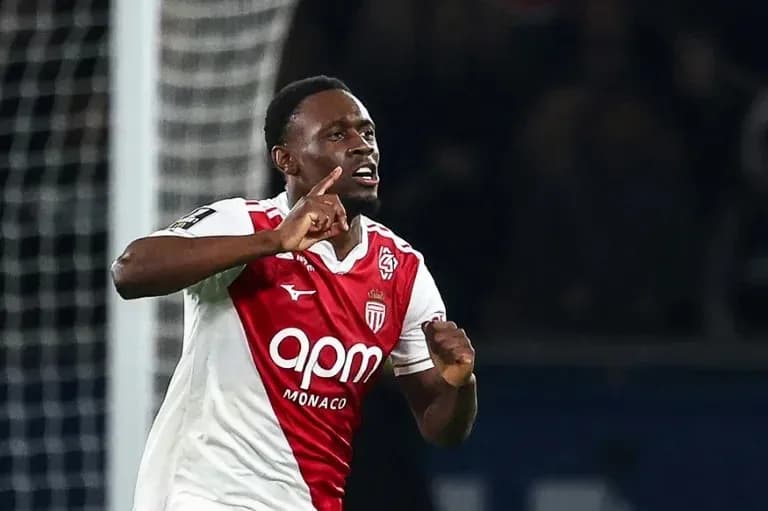
A frantic deadline day promised reinforcements and delivered almost nothing. A late push for Monaco striker Folarin Balogun collapsed amid medical concerns and renegotiations. Iliman Ndiaye, one of the brighter attacking options, went the other way, sold to Manchester City.
When the dust settled, Moyes was left counting heads. Just 18 senior outfield players. Only one recognised striker.
“Disappointed we didn't do more business, disappointed things didn't go our way in the end,” he said, the words clipped but controlled. “But sometimes in football you have to live with disappointments and we will and we'll move on.”
The Balogun saga summed up the chaos. Monaco managing director Thiago Scuro revealed that the USA international pulled out of a return to the Premier League because of how he felt he had been treated by Everton. An issue flagged in the medical prompted the club to try to rework the terms of a deal thought to be worth around £40 million.
Both clubs, though, were still ready to push it through. Then Balogun walked away.
“There were lots of different bits to it. It wasn't anybody's fault,” Moyes insisted. “Ultimately it happens in football a lot. The player had a problem in his medical and that was simply it.”
The fallout leaves Everton entering the season with a squad that looks perilously light for a manager talking openly about pushing upwards, not just hanging on. Last season they flirted with something more ambitious, staying in the race for European places before fading late and finishing 13th. It was better than many predicted; still not close to where Moyes wants them.
He has never been shy about that ambition. He has spoken repeatedly about dragging the club back into European competition, about setting standards that do not involve glancing nervously at the bottom three every spring.
“I'm getting too old now to be sitting around at the bottom end,” he said, half a line of humour, half a warning. “I've said that to the players here when I came in. The job is that we challenge as close to the top end of the league as we can.”
The message to his squad is clear: the market may have failed him, but they cannot.
“I've got to say, they've done a brilliant job of it last year, and I don't think we were expected to do so well as what we've done,” he added. “I've got to hope that we can do that again. There might not be a great expectation on us at this moment in time, but behind the scenes I'm rallying them.”
So he turns to what he can control. Organisation. Resilience. Spirit. A thin group, but one he trusts, at least publicly.
Manchester United arrive on Sunday to test that resolve and to expose any cracks left by a summer that promised depth and delivered doubt. With one striker, a stripped-back squad and a manager refusing to talk about relegation, Everton’s season now becomes a question of whether belief and structure can compensate for what the club could not buy.