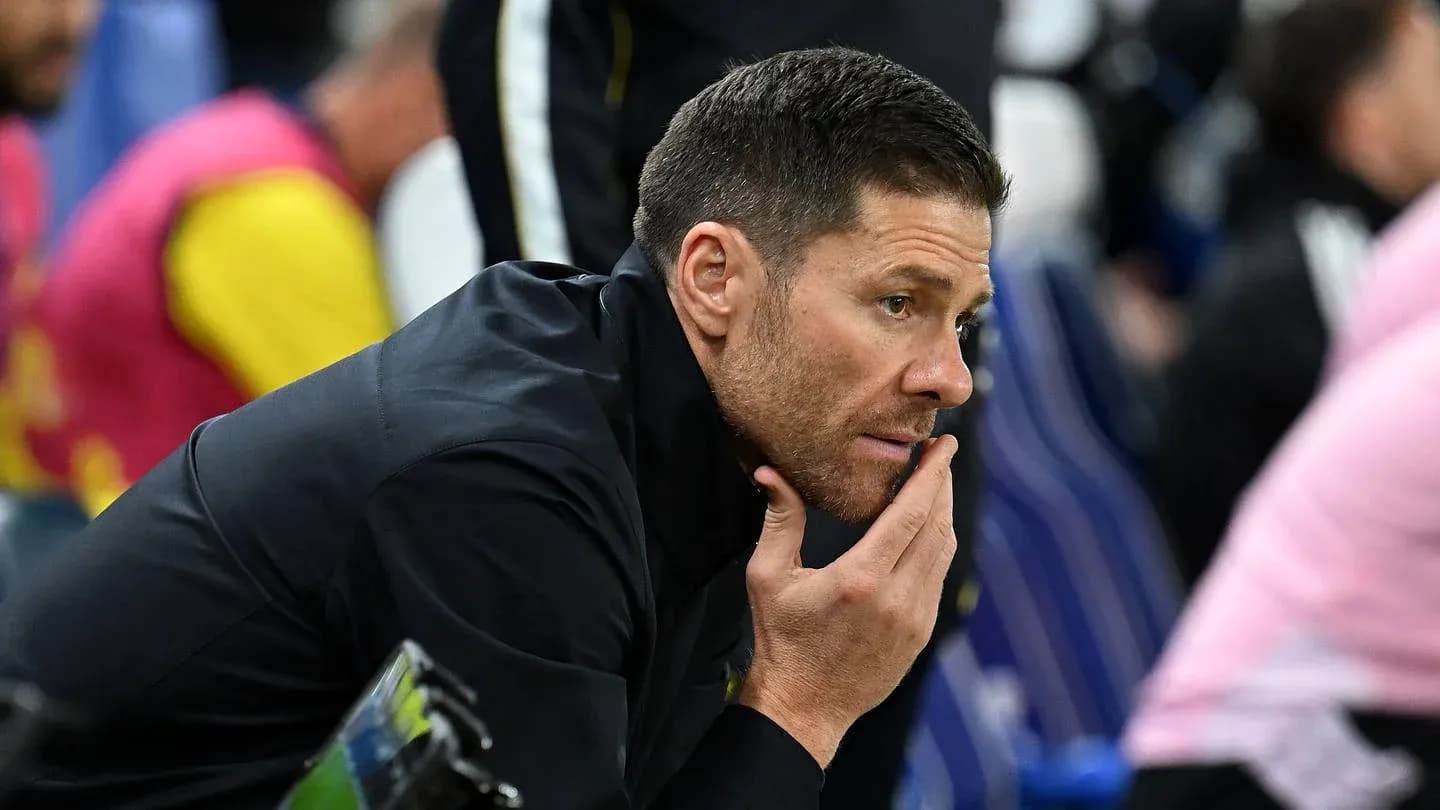
Chelsea's Thrilling Comeback: Goals and Control
Stamford Bridge has its swagger back. Goals, risk, chaos – and a manager quietly reaching for the brakes.
Chelsea’s 6-3 comeback win over Leeds United turned a cool London night into a carnival. By the time the sixth goal hit the net, Stamford Bridge felt less like a football ground and more like a stage, with Xabi Alonso’s side playing to the gallery. Leeds were shredded by waves of blue shirts, and the home crowd, from the Shed End to the Matthew Harding Stand, drank in every moment.
Yet the man orchestrating this spectacle walked away thinking about something far less glamorous: control.
A Thrilling Comeback, With a Catch
For 50 minutes, Chelsea flirted with disaster. Leeds went 2-0 up, exploiting the same looseness that has made Alonso’s Chelsea so exhilarating going forward and so vulnerable at the back. It took a surge of quality – and character – to flip the script.
Cole Palmer and Danny Welbeck both struck twice, with Pedro Neto and Valentin Barco adding their names to the scoresheet. Six goals, a statement of attacking intent, and a reminder of the talent now humming through this squad.
The football flowed. The passes zipped. The freedom Alonso has encouraged lit up the night.
But as the noise rose, so did the manager’s concern. The comeback was thrilling. The deficit that made it necessary was not.
Alonso’s Dilemma: Fun vs. Foundations
Alonso has been honest about it. He loves what his team can do with the ball, but he knows a season cannot be built on chaos. At some point, the handbrake has to come up a notch.
He wants Chelsea to keep the flair, but add steel. To be able to grind, not just glide. To win when the game is scruffy, not just when it turns into a shootout.
That message will land differently depending on who you ask. The pragmatists in the stands will nod along. They’ve seen title-winning Chelsea teams built on clean sheets and control. Others, intoxicated by the return of attacking verve, may quietly fear the fun being dialled down.
Yet the logic is hard to ignore. Over a long campaign, turning every fixture into a six-goal rollercoaster is a gamble no serious contender can afford.
Goals Flowing, Gaps Showing
The numbers tell the story of a side still searching for balance.
Sixteen goals in five games. An average of 3.2 per match. On paper, that is the mark of an attacking force with teeth. But the other column matters just as much: 10 conceded in the same stretch.
A +6 goal difference looks healthy, but it also hints at volatility. You don’t score 16 and concede 10 without living on the edge.
Alonso knows this cannot be the template from August to May. Not if Chelsea want to collect points with the cold regularity required at the top end of the Premier League and stay competitive in the Carabao Cup.
He is not trying to suffocate the artistry. He is trying to make sure it actually leads somewhere.
Next Step: Clean Sheets, Not Just Fireworks
That is why the upcoming games against Hull City and Brentford carry a different kind of importance. Not just as fixtures to be won, but as tests of control.
A clean sheet and a couple of goals in each would do more for Alonso’s peace of mind than another wild 6-3. The international break looms, and managers crave going into those pauses with evidence that their ideas are taking root.
Chelsea have already shown they can entertain. The question now is whether they can do the less glamorous part: close the door, manage a game, and walk off with three points without turning it into a drama.
If Alonso can marry this attacking surge with the defensive discipline he craves, Stamford Bridge won’t just be a theatre of thrills.
It will be a fortress again.