Chelsea's Dramatic Comeback: Thrilling 6-3 Victory Over Leeds
Chelsea flirted with embarrassment, toyed with collapse, and still walked off to applause.
A 6-3 scoreline over Leeds in the Carabao Cup reads like a routine thrashing. It was anything but. For 45 minutes, Chelsea’s much-changed side looked exactly like what it was: a collection of strangers thrown together and asked to behave like a team.
They couldn’t.
Tarik Muharemovic punished them first, finishing a Leeds move that sliced through a disjointed Chelsea back line. The visitors sensed weakness and played with the freedom of underdogs who had nothing to lose and a Premier League scalp to chase. Chelsea, reshuffled by nine changes from the defeat to Arsenal, offered little in response beyond nervous passing and confused pressing.
Leeds went into the break 1-0 up and full value for it. Chelsea trudged off to a murmur of concern.
Then the second half began, and the night veered into chaos.
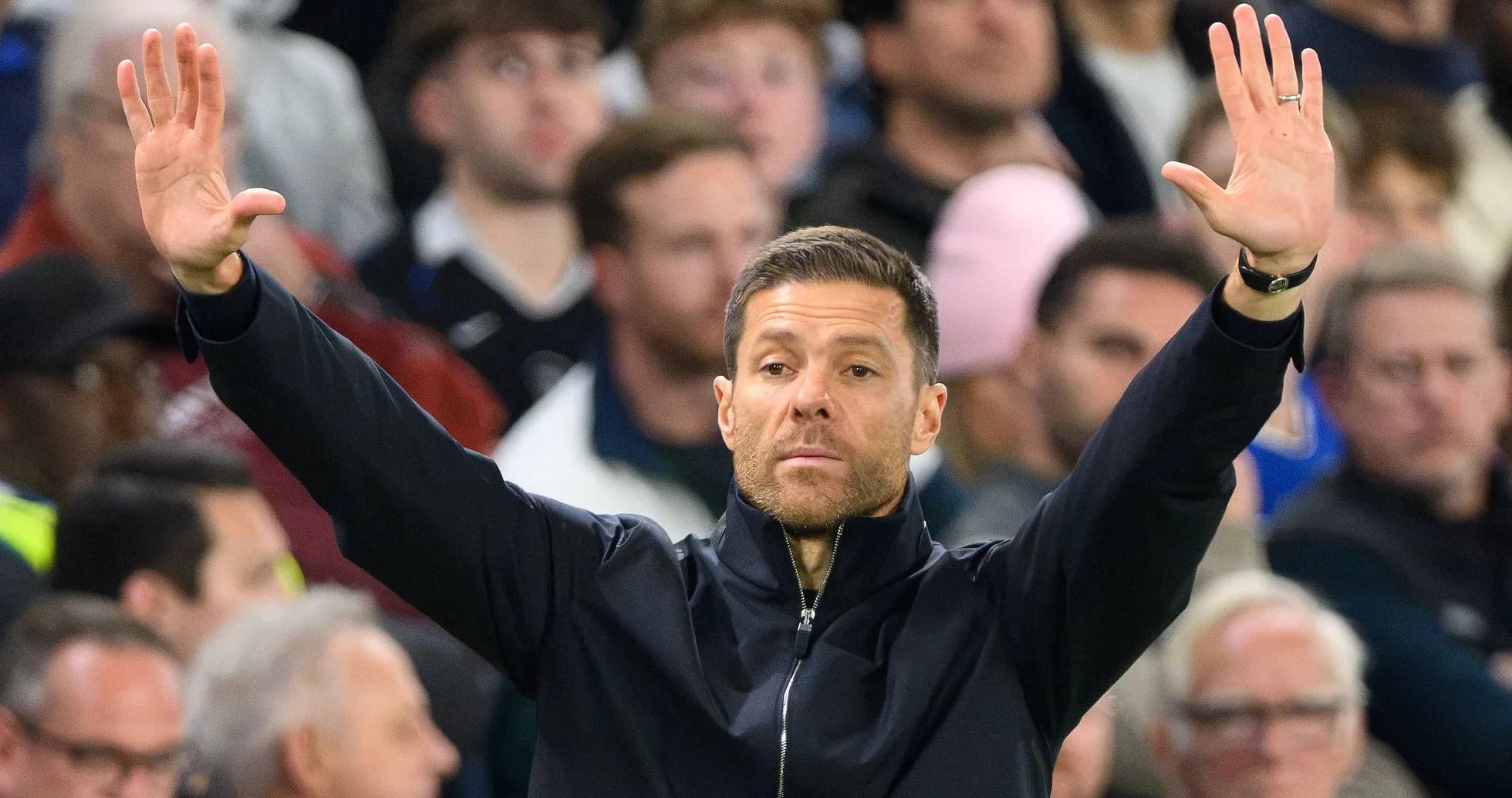
Brenden Aaronson struck shortly after the restart, doubling Leeds’ lead and silencing Stamford Bridge. At 2-0 down, staring at a shock exit, Xabi Alonso could no longer wait for his fringe players to find rhythm. He ripped up his first plan and made four changes at half-time, throwing on trusted lieutenants to rescue the tie.
The effect was immediate and ruthless.
Cole Palmer, suddenly the conductor of a very different Chelsea, dragged the game back in their favour almost single-handedly. First, he buried a penalty to give the hosts a lifeline. Two minutes later, he struck again, levelling the score and detonating the tension in the stands. Leeds, composed and clinical for nearly an hour, suddenly looked rattled.
The pressure finally broke them.
Pedro Neto completed a staggering six-minute turnaround, sweeping Chelsea into a 3-2 lead that felt unthinkable just moments earlier. From panic to swagger, the mood flipped. Leeds, who had controlled the tie, were now chasing shadows.
Chelsea smelled blood. Morgan Rogers, one of the substitutes, began to run the game from wide areas. His clever movement and sharp delivery carved Leeds open, and Danny Welbeck cashed in, stretching the lead to 4-2 with a composed finish after another incisive move.
Leeds refused to fold. Dominic Calvert-Lewin pulled one back to make it 4-3, a reminder that this was still a live contest rather than a procession. Nerves flickered again around the ground. Chelsea’s defending, so fragile earlier, looked capable of inviting trouble at any moment.
Valentin Barco chose that moment to announce himself.
His first goal for Chelsea restored daylight at 5-3, a strike that carried as much relief as celebration. Leeds’ resistance finally cracked. Welbeck, revitalised and ruthless, added his second late on to make it 6-3 and close a wild, breathless tie that had veered between farce and spectacle.
Rogers, with three assists off the bench, embodied the transformation. Where the first half had been hesitant and fractured, the second was all incision and intent, driven by the players Alonso trusts most.
Yet the manager refused to turn the night into a public trial of his squad players.
“I take responsibility,” he said afterwards, putting the spotlight firmly on himself rather than those who had struggled. He admitted that his sweeping rotation had left Chelsea vulnerable, that asking so many underused players to deliver at this level without proper preparation was a risk that almost backfired.
“No player to blame, it’s a decision that we took,” he insisted. The first half, by his own admission, was nowhere near the standard required. The reaction, though, pleased him. The substitutes changed everything, and Alonso did not hide from the contrast.
He spoke about needing a deeper assessment of how to help those on the fringes have “a better impact, a better feeling.” There was no attempt to disguise the fact that, for them, this had been a difficult night. “Maybe I made it too difficult,” he conceded, acknowledging his own role in their struggles as much as their failure to seize the chance.
The obvious conclusion was that Chelsea’s squad depth, despite a summer of heavy investment and 10 first-team signings, still looks fragile when stretched. The so-called second string appeared brittle and exposed, particularly at the back, against a Leeds side that refused to be intimidated by the occasion.
Alonso pushed back against the idea that the performance exposed a lack of reliable backup options. “I prefer not to take that cynical way,” he said, arguing instead that his own choices had not given those players the best platform to show their true level. For him, this was a lesson in management as much as a warning about personnel.
Chelsea are through. The scoreline will sit handsomely in the record books. But the manner of the win leaves a more complicated picture: a team capable of tearing opponents apart when the stars come on, yet still searching for a second unit that can be trusted when the stakes rise.
On nights like this, survival is enough. The real question is how long a club with Chelsea’s ambitions can live with this kind of risk.