Carlo Ancelotti's Bold New Brazil Squad for Future Success
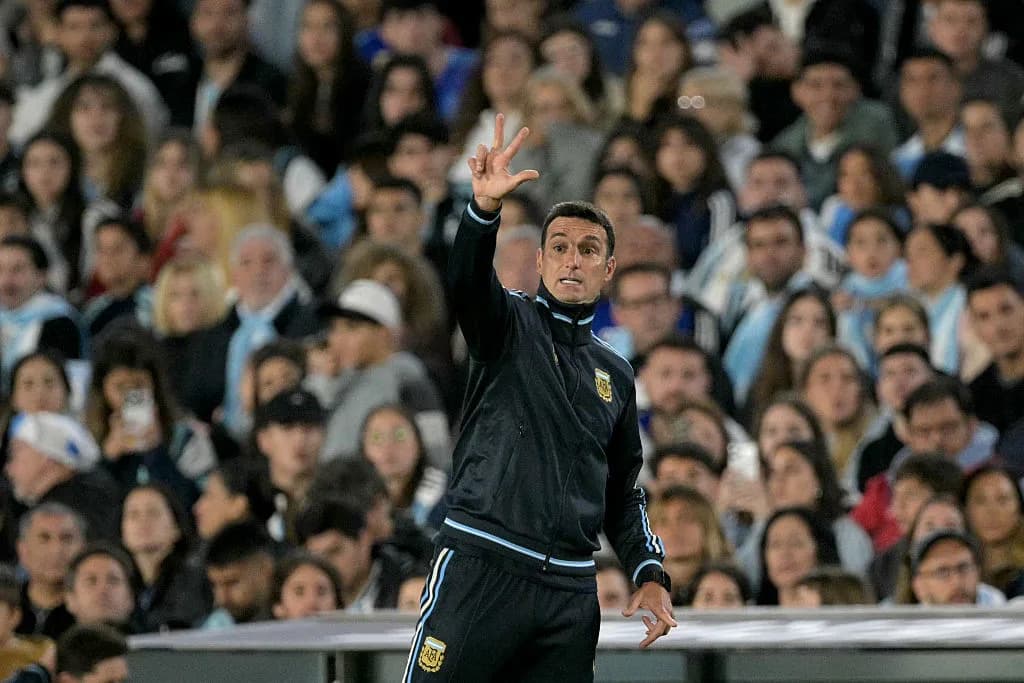
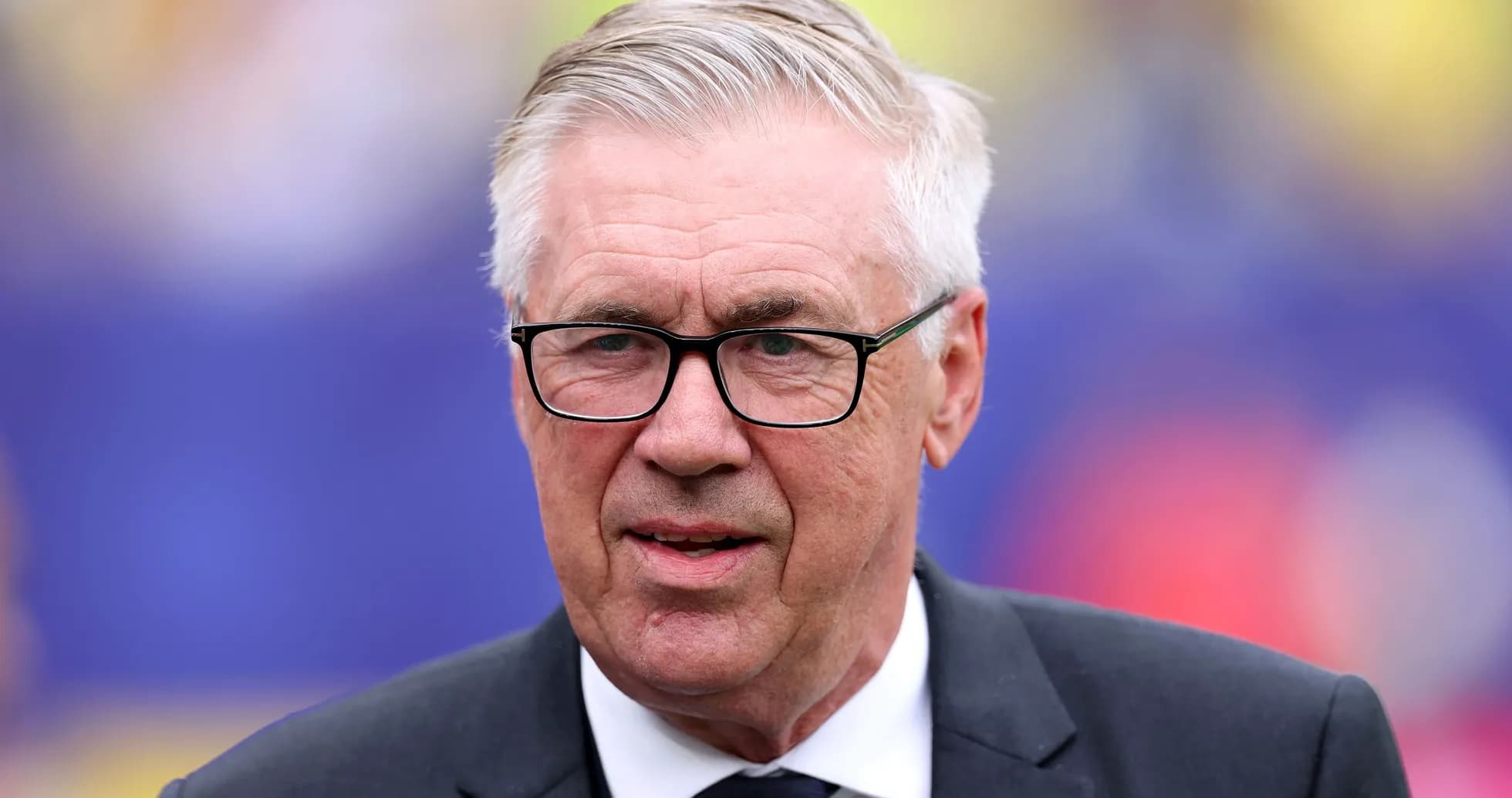
Carlo Ancelotti did not just tweak Brazil after their World Cup collapse. He tore the plan up and started again.
The Italian has unveiled a strikingly youthful squad for exhibition games against Australia and India, cutting loose some of the biggest names in the modern Selecao era and placing his faith in players who could still be around for the 2030 World Cup – and even the 2028 Olympic Games.
Alisson out, kids in
The headline is brutal. Alisson, one of the best goalkeepers on the planet and a mainstay for club and country, is out. So are long-serving midfield generals Casemiro and Fabinho. Neymar, of course, is missing after his recent international retirement, but his absence only sharpens the sense that a cycle has ended.
Ancelotti promised change after Brazil’s shock round-of-16 exit to Norway. This is it, in full.
He has cleared the way for a new generation in goal: Hugo Souza, Pedro Morisco and Otavio get the nod, with the manager spelling out exactly why Alisson has been sacrificed – for now.
“We know Alisson very well, and when the competitions, like the Copa America, come, if he remains being the best goalkeeper in Brazil, Alisson will play. Right now, however, we have to prioritise the younger ones.”
That is not a gentle phase-out. It is a line in the sand.
World Cup scars, new cycle
The defeat to Norway clearly cut deep. Ancelotti has coached long enough to know the difference between a bad week in club football and a four-year wound at international level.
“The World Cup was a disappointment for us and for me personally,” he said, as quoted by ESPN. “The pain of the defeat lingers much longer. Now, however, we are motivated by the fact that we have time to prepare for a new cycle and get ready for the upcoming competitions.”
This is that cycle in its rawest form: a squad built with one eye on the Olympic age limit and the other on 2030, not on reputations forged a decade ago.
A new spine, with old guardians
Despite the ruthless cull, this is not a kids-only experiment. Ancelotti has kept a core of elite, battle-tested players to guide the transition.
Vinicius Junior, fresh from becoming the face of Real Madrid’s attack, will be one of the standard-bearers. On the opposite flank, Barcelona’s Raphinha offers work rate and end product. Chelsea’s Joao Pedro, who missed the World Cup, returns to the fold with a point to prove and a bigger role to claim.
At the back, Paris Saint-Germain captain Marquinhos remains the defensive reference point, while new Arsenal signing Bruno Guimaraes anchors a midfield that suddenly looks much younger around him.
“I chose these players to help with this change in direction,” Ancelotti explained. “They are crucial for the future and will help the younger players improve. One thing is certain: a player who is 34 or 35 years old isn't the future; they are the present. If a player of that age is ready to play in a major tournament, they will be in the national squad.”
The message is sharp. No one gets picked for past glories, but no one is barred by age alone. Perform, and you are in. Drift, and you are out.
Who carries the shirt now?
Look down the list and the generational shift is obvious.
- Goalkeepers: Hugo Souza, Pedro Morisco, Otavio
- Defenders: Arthur Dias, Wesley, Marquinhos, Gabriel Magalhaes, Douglas Santos, Jair, Matheuzinho, Maurio Junior, Vitor Reis
- Midfielders: Bruno Guimaraes, Andrey Santos, Danilo Santos, Dougals Luiz, Breno Bidon, Gabriel Bontempo
- Forwards: Endrick, Joao Pedro, Estevao, Pedro, Raphinha, Rayan, Samuel Lino, Vinicius Junior
Endrick, already burdened with expectation before his peak years, now steps into a Brazil squad that looks built to grow alongside him. Estevao, Rayan, Samuel Lino – these are names that will need to become familiar quickly if Ancelotti’s gamble is to pay off.
There is still steel in the group. Gabriel Magalhaes joins Marquinhos in defence, Douglas Luiz and Bruno Guimaraes offer Premier League intensity in midfield, and the wide options are rich. But the overall feel is clear: this is a squad chosen for what it might be, not what it has been.
Australia first, then history in India
The first test of this bold reset comes far from home. Brazil travel to Australia for a double-header, facing the Socceroos in Townsville on September 25 before a second meeting in Brisbane four days later. It is the kind of tour that usually drifts by without much scrutiny.
Not this time. Every touch from a teenager, every mistake from a new goalkeeper, every decision Ancelotti makes will be viewed through the lens of a long-term rebuild.
Then comes something altogether different: Kolkata, October 3. Brazil will play their first ever match in India, stepping into a country where the Selecao shirt has inspired generations from afar but never appeared in the flesh.
For millions of Brazilian fans, this is a new era. For millions in India, it is a long-awaited first sight of the five-time world champions. For Ancelotti, it is the start of a journey he hopes ends with a very different feeling than the one that haunted him after Norway.
He has his cycle. He has his kids. Now we find out if Brazil can grow up fast enough.