Burnley's Decline: From Resilience to Crisis
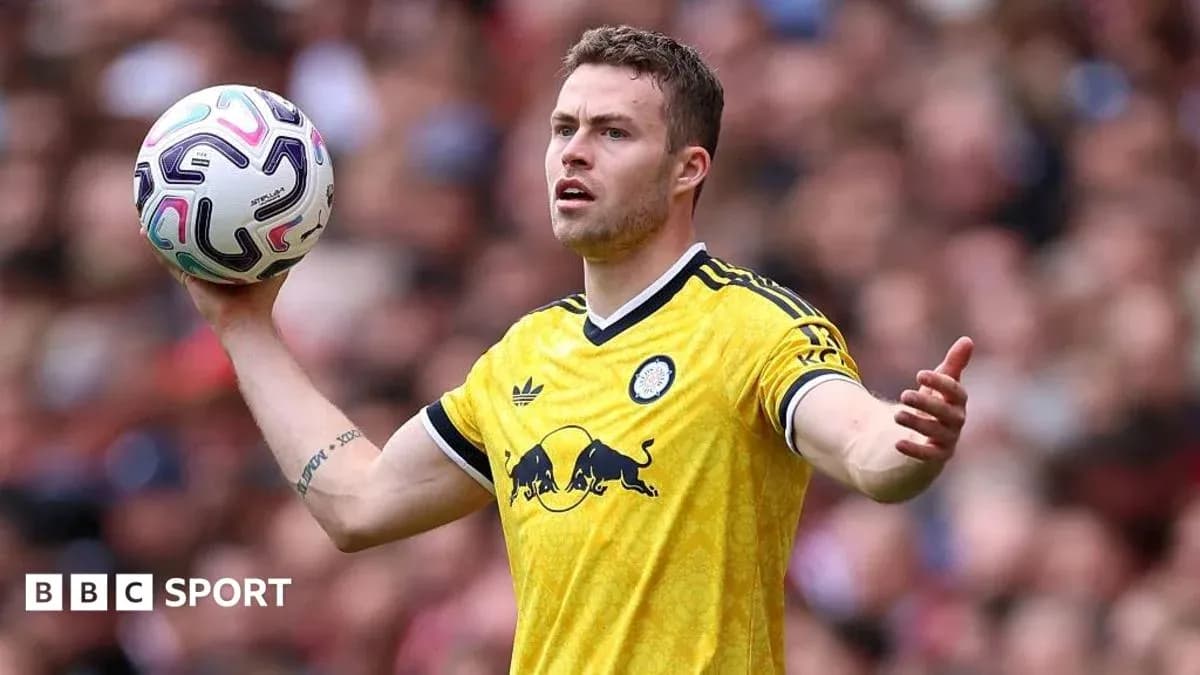
On a raw October afternoon in 2025, Lyle Foster slid on his knees in front of the away end at Molineux and it felt like a line in the sand for Burnley. A 95th‑minute winner, a 3-2 victory at Wolves, five points clear of the Premier League relegation zone and, for the first time in more than three years, back‑to‑back top-flight wins. The mood around Turf Moor was not just upbeat. It was defiant.
Twelve months on, that moment feels like it belongs to a different club.
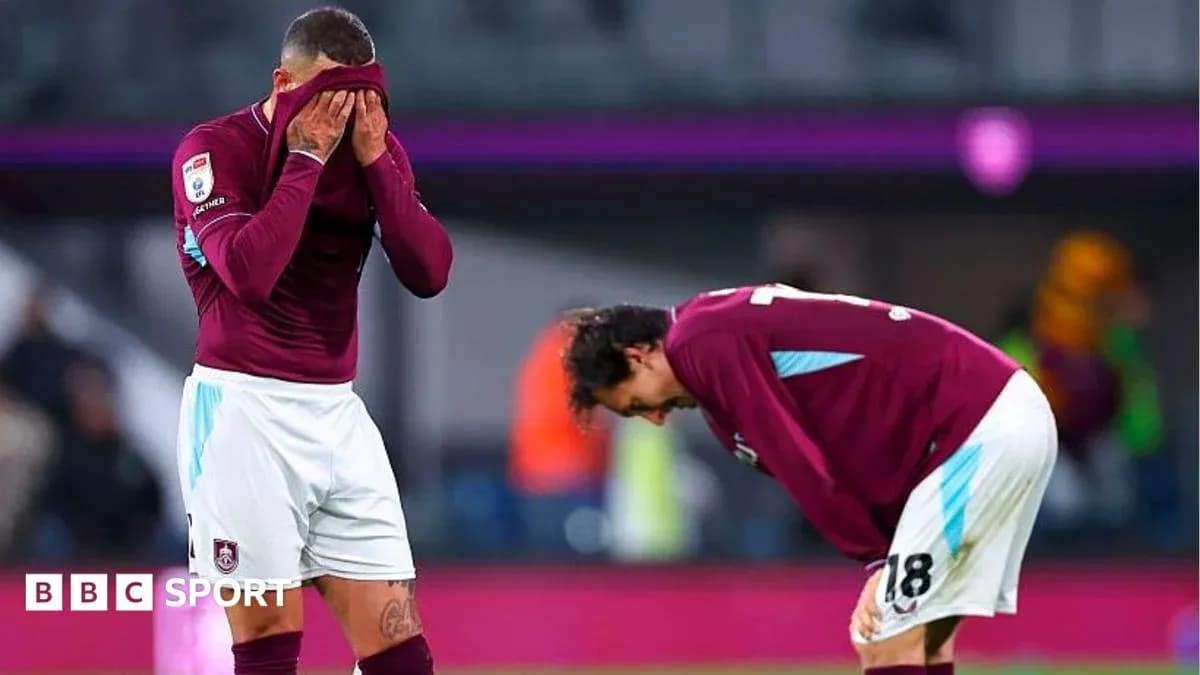
Relegated. Marooned in the Championship’s bottom three. One game away from owning the longest winless home run in English league history. And all of it played out against a soundtrack of anger aimed squarely at the boardroom.
This is no ordinary wobble. This is a club that used to pride itself on stability now staring at the kind of spiral that can take years to escape.
From model of resilience to a stalled yo‑yo
Since 2010, Burnley have become the modern game’s great escape artists. Five promotions to the Premier League, five relegations. Three times they have bounced straight back. That resilience underpinned everything: the image of a club that might fall, but never for long.
That aura has gone.
The latest drop from the top flight has not been followed by a reset and a charge. It has exposed fractures. The recruitment, the coaching decisions, the ownership model – all of it is under scrutiny, and all of it is failing to deliver.
The coaching situation set the tone. Scott Parker departed towards the end of last season. The club turned to Craig Bellamy, then watched that move collapse. Only then, less than a month before the new Championship campaign, did Nicky Hayen arrive from Genk to take on his first job in English football.
The timing was poor. The context, brutal.
“I think there is an element of sympathy among the fans for Hayen but two things can be true at the same time – you can sympathise and also think he's out of his depth,” said Joe Redmond, creator and host of the Turfcast podcast.
Hayen walked into a dressing room that wasn’t fully his, with members of Parker’s staff still in place. He then saw his main striker, Zian Flemming, sold on deadline day.
“He was brought in after pre-season had started, has been forced to work with some coaches left over from Scott Parker and had his main striker, Zian Flemming, sold from under him on transfer deadline day,” Redmond added. “These are clearly errors from the hierarchy but at the same time he clearly isn't getting the best out of this squad.”
Hayen’s summer overhaul was sweeping. Eleven players in, ten out. On paper, a reset. On grass, something closer to chaos.
A scattergun rebuild and a haunted squad
“What has followed has been nothing short of a horror show in the lead up to Halloween.”
Redmond’s words are backed up by the evidence. The squad looks thrown together rather than built.
“I look at that squad and it's been scattergun,” said former Watford and Reading midfielder Jobi McAnuff on the BBC’s 72+ podcast. “They bounce up [to the Premier League], come down, go up, come down and they haven't handled that well enough – we all knew Flemming was going but you leave it right until the end of the window and you're killing the manager.”
The late sale of Flemming stripped Hayen of his focal point. The response? A headline name, but not a long‑term answer.
“Then you get [Jamie] Vardy in. I love him but he's 39 and you cannot expect him to be your main man all season, he's going to come on and chip in and be great around the dressing room.”
It summed up the mood: short-term, reactive, hopeful rather than planned.
“At the very minimum we should be battling it out at the top end of the table,” Redmond said. “This squad has proved it's not good enough for that so far this season but one coming down from the Premier League should be able to compete, and if it can't then something has gone seriously wrong.”
Burnley, once defined by clarity and cohesion, now look like a club trying to remember what they are.
Fortress Turf Moor reduced to rubble
For years, Turf Moor was Burnley’s anchor. Whatever happened away, this was where they imposed themselves. Before this season, they had lost just one of their previous 46 Championship home games, winning 30 of them. Opponents knew what awaited them: intensity, aggression, noise.
That identity has crumbled.
Fail to beat Portsmouth on 31 October and Burnley will set a new English record for the longest time without a home league win, surpassing Sheffield Wednesday’s 376‑day ordeal between April 2025 and May 2026.
“Most of this run came in the Premier League, where they didn't look like winning at home or away for most of the season,” said BBC Radio Lancashire commentator Scott Read. “It's a knock-on from that, but they should have won at home this season. They've let leads slip against Bristol City, Derby, Charlton and Wolves.”
The numbers are stark. Burnley’s last home league win came on 18 October 2025, a 2-0 victory over Leeds. Since then: 21 league games at Turf Moor, 10 defeats, 11 draws, just 21 goals scored.
The pattern is becoming suffocatingly familiar. Take the lead. Drop deeper. Tension rises. Concede late.
“The scary thing for them is they've been in really good positions at home in the past four games,” McAnuff said. “They've had leads, conceded late and you can feel the energy, tension and nervousness around the stadium which is absolutely having an impact on those players.”
The latest home defeat, again to Wolves, ended in a chorus of boos. Nobody could claim surprise.
“I can't blame the fans, they want the best for their team and if you have losses like this it is normal,” Hayen said. “You know when you are losing, the atmosphere changes into negativity and I can accept it as a reality.”
The reality, though, is that Turf Moor has gone from fortress to burden. Every misplaced pass draws a groan, every late goal against feels like a fresh scar.
A Halloween defeat to Portsmouth would not just bring a grim record. It might also bring a decision on Hayen – if he is still in charge by then.
Ownership under fire and a club weighed down by debt
None of this exists in a vacuum. The anger in the stands is not reserved for the dugout.
Alan Pace and ALK Capital completed their takeover in December 2020, using a £65m loan to buy out previous major shareholders Mike Garlick and John Banaszkiewicz. Even at the time, the leveraged nature of the deal unsettled some supporters. Relegation, a delayed head coach appointment and a faltering start to this campaign have turned concern into outright hostility.
“Anti-Alan Pace chants and banners were on display during the last home game but there is no indication they [ALK] are looking to sell and even if he wanted to, with the amount of debt the club is carrying it would be a pretty hard sell,” Read said.
The mood is toxic. Fans see a club burdened by debt, sliding on the pitch, and struggling to make coherent football decisions. The board see a long-term project under strain in an unforgiving division.
Hayen, for his part, knew the scale of the challenge when he left Genk for Lancashire.
“I was aware [of the size of the job] because there were a lot of people who said I came into a really difficult situation. Even with the best players who left and the structure in the club I was aware of it,” he said after the defeat by Wolves.
“Our expectations are much higher but we are working really hard and 100% we can change it, but if we change everything into negativity in our support then we will be in trouble.”
The problem is that results leave little room for positivity. The more the team falters, the louder the discontent grows.
A club at a crossroads
On the terraces, patience is fraying.
“It's going wrong absolutely everywhere at Turf Moor and the only way it changes is with changes in personnel, whether they be in the dugout, boardroom or hopefully both,” Redmond said. “It remains to be seen, but surely if we lose to Lincoln something has got to change?”
Burnley’s trip to Lincoln City on Saturday carries a weight that goes far beyond three points. It arrives with the club in the bottom three, with a manager under pressure, an ownership under siege and a fanbase that has gone from proud and stubborn to weary and angry.
Trouble on the field. Trouble off it. A fanbase that once expected Burnley to find a way now asking a harsher question.
Not whether they can bounce back again.
Whether anyone at Turf Moor still knows how.