Barcelona Forward Thrives in Paris: Transition to PSG
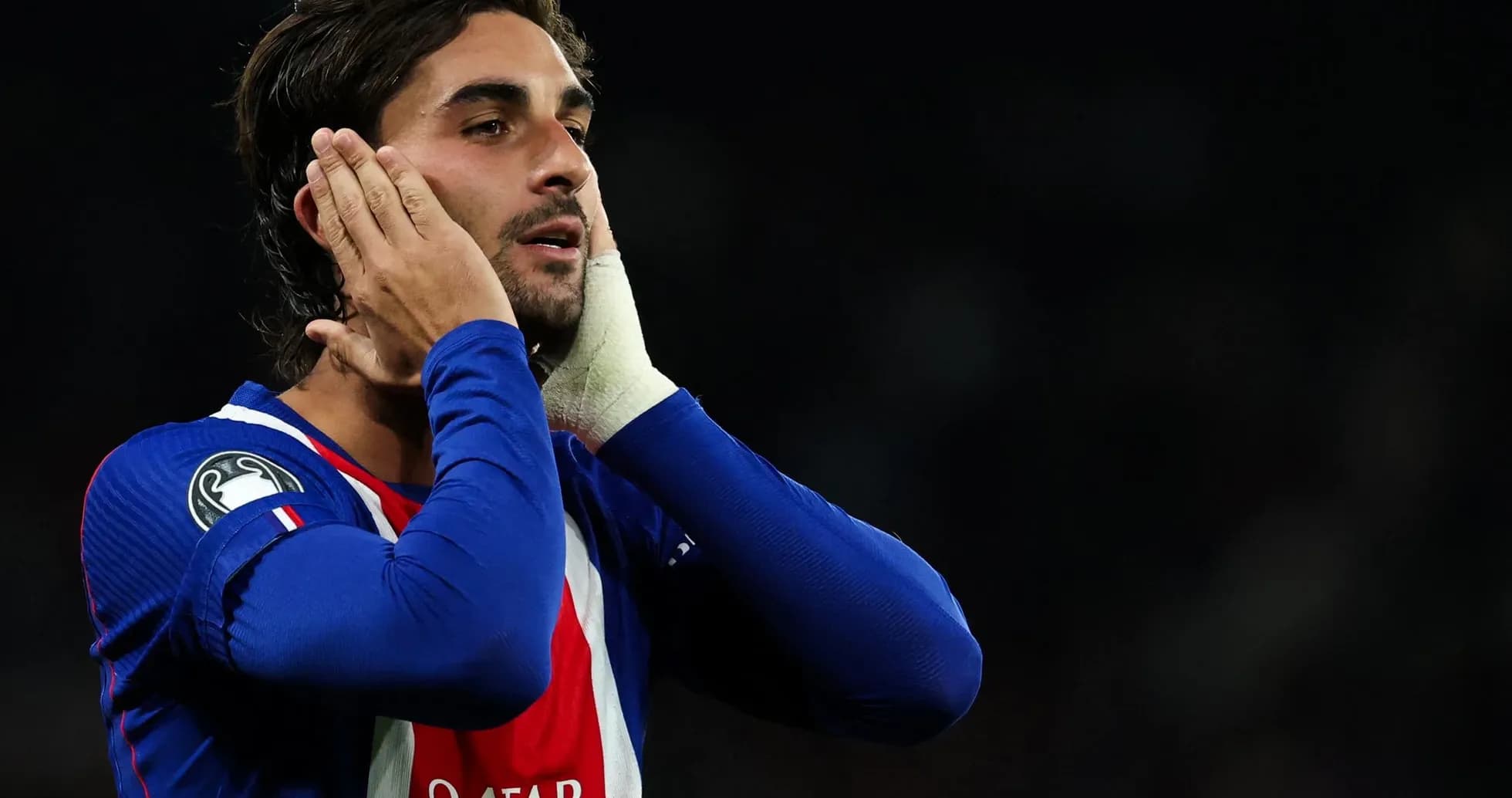
He left Catalonia in a blur. One week he was a Barcelona forward with a settled life, the next he was learning street names in Paris and stumbling through a new language. The move looked clean on paper, a headline transfer to the Parc des Princes. Away from the cameras, it was anything but simple.
At 26, uprooting meant more than changing shirts. It meant abandoning a routine built over years, swapping familiar cafés and training grounds for an unfamiliar city and a different rhythm. The football came easily. The rest of it – the paperwork, the language, the sense of starting again – hit harder.
What softened the landing in Paris were the faces waiting for him. Luis Enrique, the coach he openly describes as a paternal figure in his career, was already in place, shaping a side that has turned into back-to-back European champions. In the dressing room, the Spain international found compatriots Fabian Ruiz and Dro Fernandez, the former Barcelona academy product now part of the same ambitious project.
That support network mattered, because the transfer itself arrived at breakneck speed. One of those modern deals that seems to materialise overnight, driven by a market that no longer respects slow build-up. He admitted the move caught him slightly off guard, summing up the chaos of the business with a simple reality: one day you’re there, the next you’re packing your bags.
He still found room for a joke. Asked about what – or who – he wished he could have brought with him from La Liga, he quipped that Pedri was the only one he couldn’t squeeze into the suitcase. The humour underlined something else: he had left a life behind, but he hadn’t lost his edge.
On the pitch, any hint of turbulence vanished. Seven goals in his first six matches in Paris told their own story. Sharp movement, ruthless finishing, a clear understanding of what Enrique wanted from him. In a squad loaded with attacking talent, he didn’t just blend in; he became a central piece of the plan almost immediately.
That explosion of form followed a summer already etched into Spanish football history. On the biggest stage of all, he delivered the decisive strike in Spain’s 1-0 win over Argentina in the World Cup final. One touch, one finish, one moment that changed a nation’s story and his own status forever.
Combine that with his early impact in France, and his name was always going to appear on the 30-man Ballon d'Or shortlist. It does, alongside fellow Spaniards Lamine Yamal, Pau Cubarsi, Marc Cucurella, Rodri and PSG team-mate Fabian Ruiz. A generation carrying Spain back to the front of the global conversation.
Pressed on the award, he refused to turn it into a personal campaign. No grand declarations, no self-promotion. He stressed that the decision belongs to the voters and shrugged off the idea of lobbying for himself, adding only that if a Spaniard lifts the trophy, all the better.
For now, his priorities sit closer to home. He has already forced his way into Enrique’s core attacking options in Paris; staying there will demand the same relentless output that marked his first weeks. Goals keep him in the starting XI. Goals keep PSG’s domestic dominance intact. Goals fuel another tilt at Europe.
He has changed country, language and league in a single summer and still found a way to make the transition look effortless once the whistle blows. The real question now is not how he handled the move, but how far this partnership with Enrique and PSG can push the limits of his prime.