.svg&w=384&q=75 "logo")
Barcelona vs Arsenal: Women’s Champions League Rematch
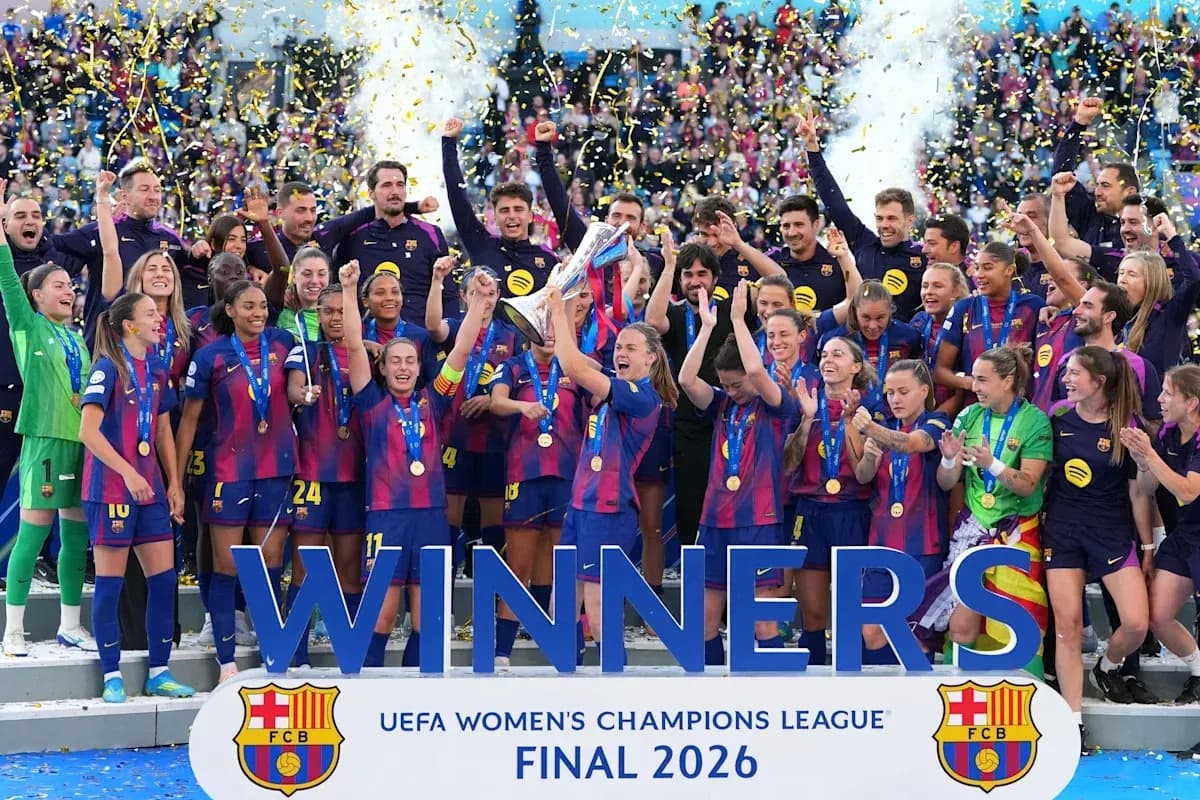
NYON, Switzerland — European women’s football did not have to wait long for its first heavyweight storyline of the season. The draw for the revamped Women’s Champions League league phase has delivered it on cue: Barcelona, the defending champions, will host Arsenal in a rematch of the 2025 final won by the London club.
Same clubs. Very different backdrop.
Barcelona’s new reality
Barcelona enter this campaign in transition. The spine that carried them to continental dominance has shifted, with two-time Ballon d’Or winner Alexia Putellas among the high-profile Spain internationals to leave in the offseason. The aura remains, but the squad is being reshaped on the fly.
The draw, though, has been kind. Barcelona open their six-game slate later this month and will stage a mini-festival of European football at home, with Paris FC and Servette also coming to Catalonia. Their away trips are more testing on paper: Bayern Munich, Roma and Danish side HB Køge await.
For a team adjusting to life after a golden generation, it is a schedule that offers jeopardy without chaos. Enough to test the new order. Not enough to derail it before Christmas.
Arsenal’s road through giants
Arsenal, still riding the glow of that 2025 triumph over Barça, have drawn a group that looks like a gauntlet thrown down to a champion.
They will host eight-time winners OL Lyonnais, Benfica and Køge at home, while traveling to face Paris FC and Inter Milan. The London club know exactly what Lyon represent on this stage: history, power, and a habit of turning tight European nights in their favor.
The visit of Barcelona will be framed as revenge or validation, depending on your vantage point. For Arsenal, it is a chance to show that last season’s final was not a one-off shock but the start of a sustained push at the top of Europe.
Lyon’s response after heartbreak
OL Lyonnais, beaten in May’s final, now have to navigate one of the most demanding routes in the league phase. Their schedule takes them to Arsenal, Juventus and Servette, while they host Chelsea, Europa Cup winner Häcken and Inter Milan.
This is a draw that offers no hiding place. Lyon’s response to losing their crown last season will be measured in these fixtures: a trip to north London, a journey to Turin, and home dates against a Chelsea side desperate for European validation and a Häcken team that already knows how to win in UEFA competition.
English champions face a loaded field
Manchester City, the reigning English champions, have drawn a slate packed with pedigree and narrative. They will host Paris Saint-Germain, Real Madrid and Austria Vienna, then hit the road for Bayern, Häcken and Inter.
Every home night at City promises a different kind of test: PSG’s star power, Madrid’s growing European identity, and an Austria Vienna side eager to punch above its financial weight. The away days are no softer. Bayern and Häcken, in particular, give this group a sharp competitive edge.
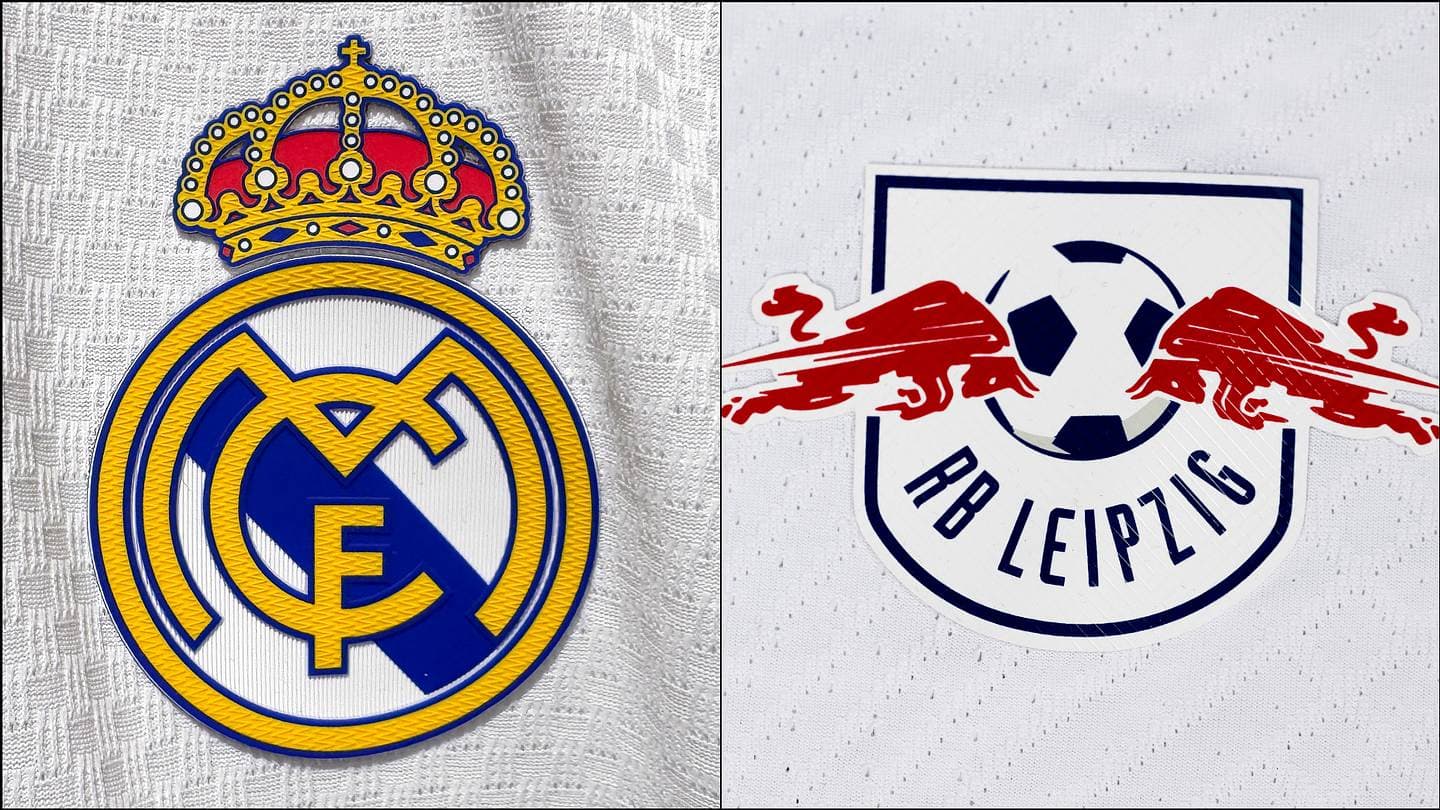
Real Madrid, for their part, will host both Paris clubs — PSG and Paris FC — as well as Inter. Their away schedule is brutal: Bayern, Roma and Manchester City. If Madrid want to prove they belong in the top tier of the women’s game, this is the stage and these are the venues where that argument will be won or lost.
New format, tight calendar
The league phase, featuring 18 clubs, will run across six rounds from Sept. 22 to Dec. 16. Every point will matter.
By mid-December, the table will split the contenders. The top four go straight to the quarterfinals in March. Clubs finishing from fifth to 12th drop into knockout playoffs in February, a two-legged fight just to reach the last eight.
There is no safety net beyond that. One bad month, and a season’s work can disappear.
The campaign will climax in late May at Poland’s national stadium in Warsaw, a fittingly grand stage for a competition that continues to grow in scale and scrutiny.
Money on the table, pressure to match
UEFA has set the prize money fund for this Women’s Champions League season at 18.2 million euros (about $21.2 million). Each of the 18 clubs is guaranteed 505,000 euros (around $587,000) simply for reaching this phase.
The figures are still modest compared to the men’s game, but the direction of travel is clear. The governing body has also allocated 5.6 million euros (roughly $6.5 million) to the Women’s Europa Cup, the second-tier competition launched last year and won by Häcken.
For clubs, that money is no longer a bonus. It is part of the business model. For players, it is another layer of pressure and opportunity.
And for Barcelona, Arsenal, Lyon, Manchester City and the rest, the question is stark: in a season of transition and rising stakes, who will still be standing when Warsaw comes into view?