Adam Wharton: The £75 Million Key to Liverpool's Midfield Rebuild
Crystal Palace have named their price. If Liverpool want Adam Wharton, the conversation starts at around £75 million – and probably doesn’t end there.
According to TeamTalk, Palace will demand at least that figure for the England midfielder, with Anfield viewed as one of the leading possible destinations. It is a huge number. It is also the going rate for a young, homegrown midfielder who already looks built for the top end of the Premier League.
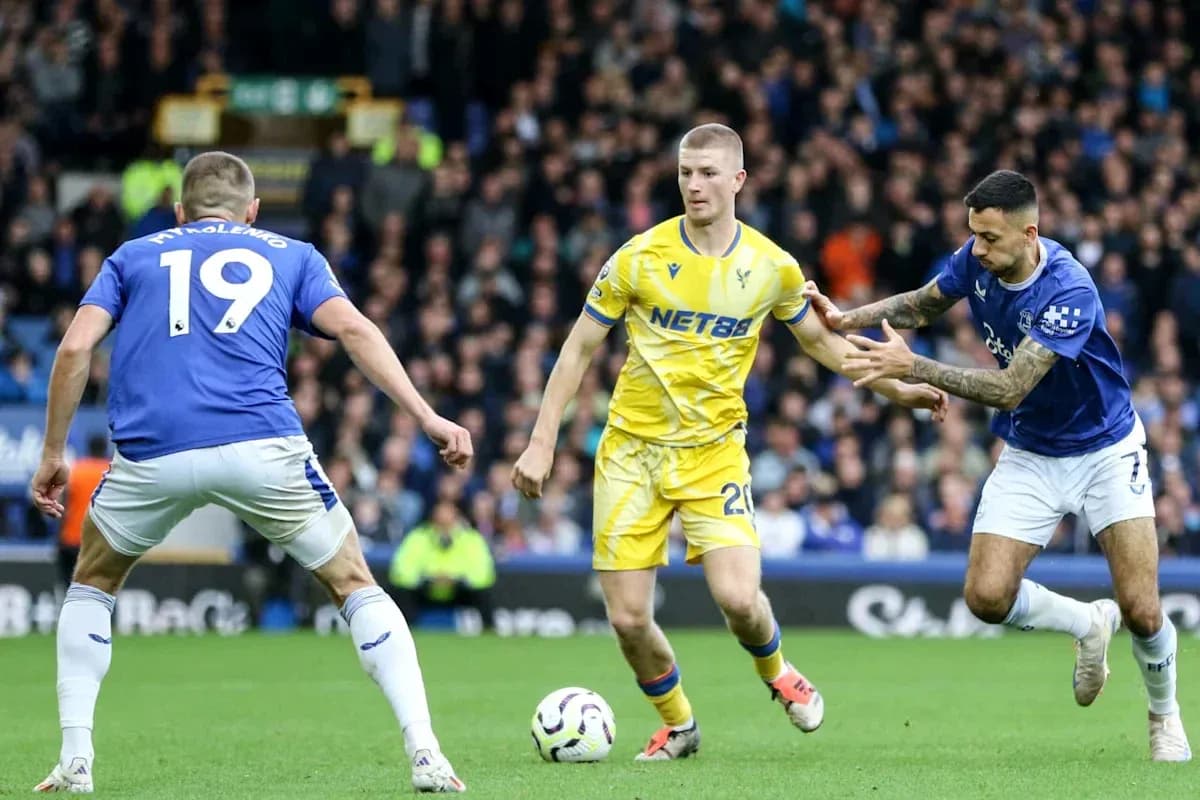
Palace know exactly what they have. Wharton is 20, English, and already dictating games with a calm that belies his age. In this market, that combination is gold.
Why Wharton fits the Liverpool puzzle
Liverpool’s midfield has bodies. What it lacks is certainty.
Under Andoni Iraola, the brief is clear: more control, more composure, more authority through the centre of the pitch, especially when the game breaks open in transition. Too often, Liverpool’s double pivot can look like a temporary truce rather than a natural partnership. When neither player offers a true holding presence, the team stretches, lines open up, and opponents run through gaps that should never appear.
Wharton speaks directly to that problem.
His game is built on composure and angles. He receives under pressure, invites the press, then plays through it. He can punch passes forward quickly when Liverpool want to accelerate, but he is just as comfortable putting a foot on the ball and cooling a frantic spell. That balance – between tempo and control, between risk and responsibility – is precisely what elite sides pay a premium for.
For Liverpool, the attraction is not just about plugging a current hole. It is about finding a long-term anchor. Recruitment at this level has to solve today’s tactical issue and tomorrow’s squad build in one move. Wharton’s profile ticks both boxes: a player who can grow with the team while stabilising it from day one.
Palace’s stance: pay up or move on
The most striking part of the current reporting is Crystal Palace’s valuation. TeamTalk state that Palace will seek a “significant fee, likely to be £75 million-plus,” a figure that reflects his age, importance to the team and the inflation around midfielders this summer.
Palace are under no pressure to sell. Wharton is central to what they are building, and they hold one of the division’s standout young midfielders on a long contract. That gives them leverage, and they are using it.
There is an expectation in some quarters that Wharton will move in one of the next two transfer windows, with January described as a genuine possibility rather than a distant idea. If that timeline holds, the level of conviction inside Anfield becomes critical.
Admiration is easy. Agreement is not. Deals of this scale only happen when everyone inside a club – recruitment, coaching staff, ownership – aligns on three things: the player’s role, the timing, and the price. Palace’s stance effectively sets the entry fee for that conversation before Liverpool even pick up the phone.
January: a window that could shape Anfield’s midfield
Liverpool addressed other areas of the squad in recent windows, yet the midfield debate never really went away. Performances keep dragging it back into focus. That is why January already feels loaded.
If the first half of the season under Iraola reinforces the need for a specialist controller at the base of midfield, Wharton will stay right near the top of Liverpool’s shortlist. The club are operating under a new head coach, expectations remain unforgiving, and the squad still looks like a work in progress after an uneven period.
Short-term improvement and long-term planning are running side by side. That is where difficult decisions live. When the right player costs a premium fee, do you step in now or wait and hope the opportunity still exists later?
On paper, £75 million for Wharton sounds steep. Look closer and the logic hardens. Age, nationality, ceiling, and suitability for elite football all push the number upwards. There will be people inside the game who see that figure not as an outlier, but as the going rate for this type of midfielder.
Liverpool are one of the few clubs who can realistically operate at that level. If the internal verdict is that midfield remains the outstanding need, the price starts to look like part of the project rather than an obstacle to it.
Homegrown value and the risk of delay
There is another layer to this: the homegrown quota. It rarely leads the headlines, yet it shapes big-club recruitment more than many admit. Signing one of the best young English midfielders on the market would give Liverpool depth, quality and stability while easing registration pressures in the seasons ahead.
The concern for supporters is obvious. Timing.
If the need for a controller is as clear as it appears, delay carries risk. January is notoriously awkward. Palace will not want to lose a key player mid-season. Other clubs will not sit and watch if Wharton becomes genuinely available. Once a talent like this is openly in play, the market closes in quickly.
So Liverpool face a familiar question for a club in transition but still expected to contend: do they act aggressively, accept the premium and back their talent ID, or wait for a cleaner opportunity that might never come?
Wharton, with his poise on the ball and his profile on the market, is forcing that question.