.svg&w=384&q=75 "logo")
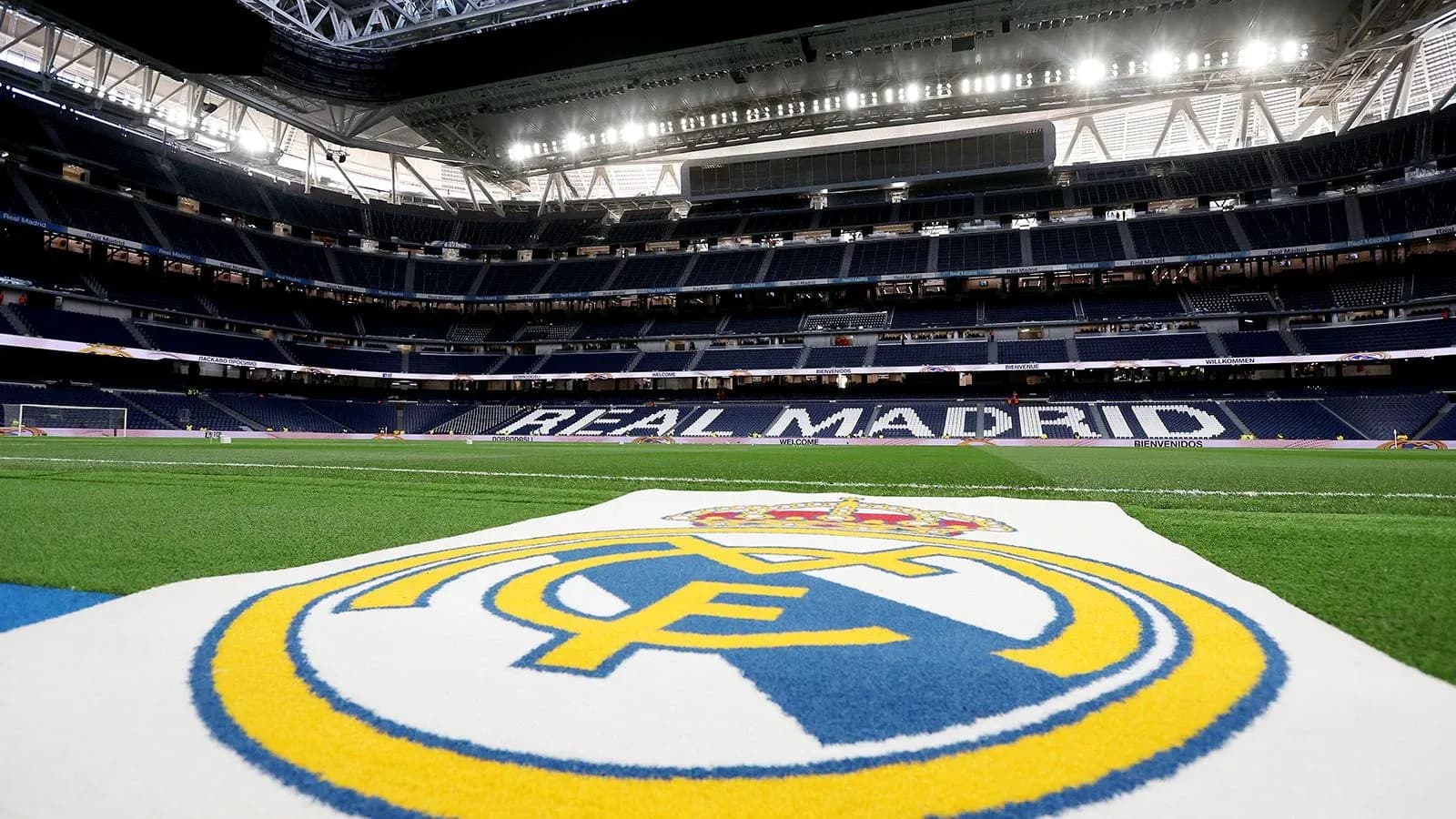
Real Madrid Denies Rumours of Spanish Flag Ban at Bernabéu
Real Madrid stepped in on Monday night to stamp out a story they considered not just wrong, but dangerous: that Spanish flags were no longer welcome inside the Santiago Bernabéu.
As the rumour gathered speed across social media and seeped into more traditional outlets, the club decided it could not leave it to drift. With the domestic season still in its early weeks and the atmosphere around the team carefully cultivated, the hierarchy in Chamartín reached for their most serious tool: a Comunicado Oficial.
Club hits back at “baseless” claims
The tone was uncompromising. Real Madrid described the reports as “entirely baseless”, making it clear they saw the narrative as an attack not only on their policies, but on their identity as one of Spain’s flagship institutions.
At the heart of the statement lay one categorical denial: the club has not issued any instruction to prohibit the entry of Spanish flags, or flags from any of Spain’s autonomous communities or cities, into the Santiago Bernabéu Stadium.
No grey area. No partial restriction. The message was designed to be as broad as possible, covering the national flag and the regional colours that routinely paint the stands on matchdays.
Defending the Bernabéu’s image
Inside the club, there was concern that the rumours risked driving a wedge between the institution and its fanbase. Real Madrid have long presented themselves as a symbol of Spanish sporting prestige, a team that carries the country’s image across Europe and beyond. Any suggestion that the Bernabéu had turned its back on Spanish or regional symbols cut directly against that self-portrait.
The statement underlined that the club wants supporters to feel free to express both regional and national pride when they come to the stadium. The Bernabéu, they insisted, remains a place where official flags of Spain and its territories have “always” been allowed “without any restriction”.
Security rules tied to national law
Real Madrid also moved to explain how their matchday rules are actually set. The club stressed that internal security protocols and stadium regulations are not dreamed up in the boardroom on a whim. They are drawn from national legislation governing public spectacles and sporting events.
In other words, if a flag is blocked at the turnstiles, it is not because the club has decided to wage war on certain symbols. It is because those responsible for security are applying the same legal framework that operates across Spanish sport.
The club was keen to make one point crystal clear: they have never tried to go beyond those legal limits to restrict fan expression.
No extra checks, no hidden agenda
Real Madrid also rejected the idea that any extraordinary measures had been quietly introduced at the Bernabéu. According to the club, there are no special screening operations in place beyond the standard safety checks required by Spanish law.
Security screenings will continue, as they do in every major stadium, but the club insists they are about safety, not ideology. Flags are checked like any other item. The only line drawn is the one drawn by legislation.
By moving swiftly and publicly, Real Madrid are trying to shut down the controversy before it bleeds into the stands and onto the pitch. The board wants the conversation around the club to return to what happens between the white lines, not at the turnstiles.
The message from Chamartín is blunt: bring your official flags, fill the Bernabéu with colour, and let the noise be about football, not fabricated battles at the gates.