Germany's Goalkeeping Future: Matthäus Weighs In
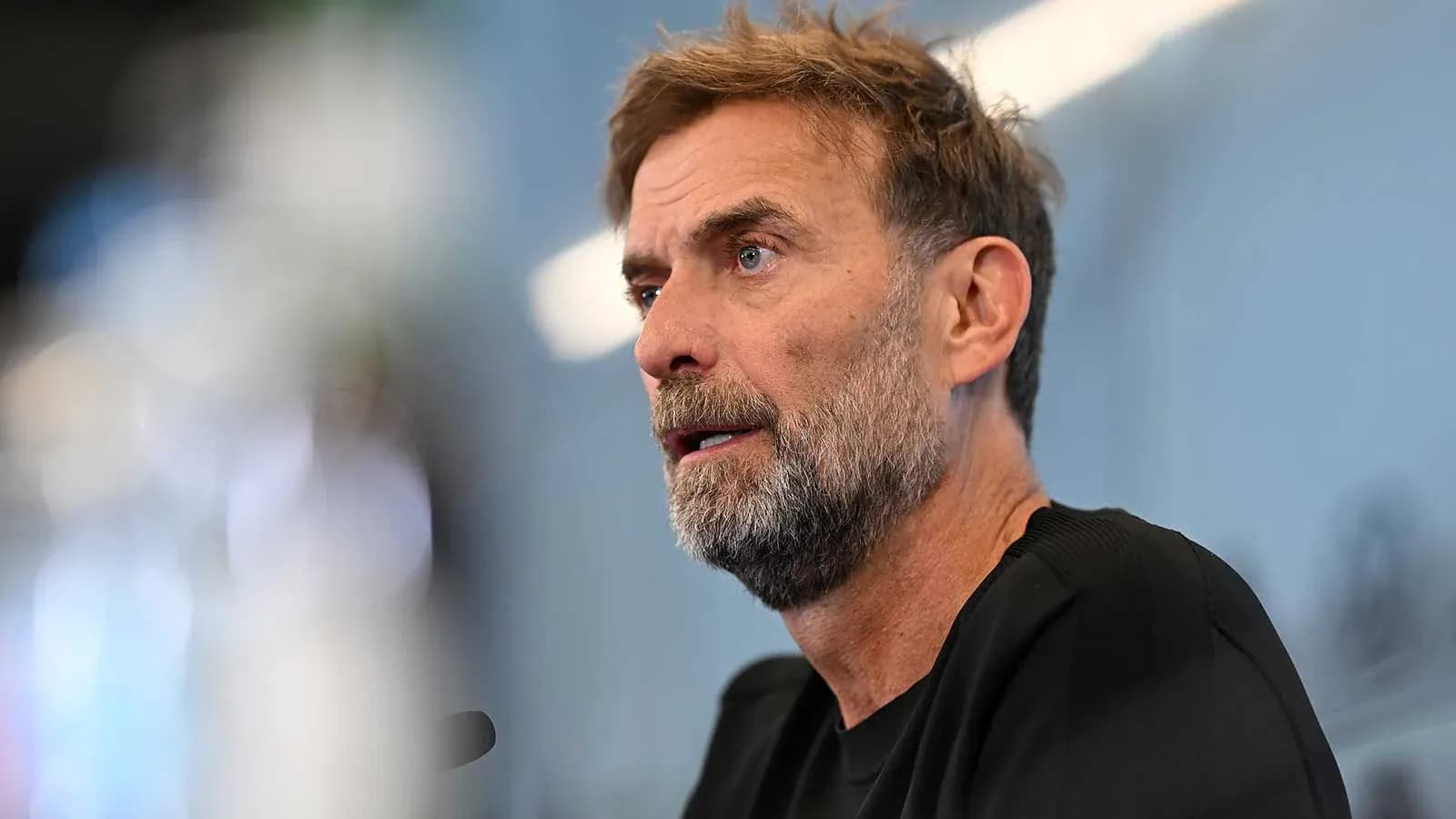
Lothar Matthäus has never been shy about strong opinions. This time, Germany’s record international has gone straight for the most sensitive position of all: who guards the goal in the new Jürgen Klopp era.
In his Sky column, Matthäus laid out a four-man core for the future, headed by a familiar name in an unfamiliar shirt.
Ter Stegen: One last shot, but only as number one
Marc-André ter Stegen, now on loan at Ajax, sits right at the heart of the debate. For years he lived in Manuel Neuer’s shadow, waiting for a major tournament that never truly arrived as Germany’s first-choice keeper. Now 34, with his body battered by injuries and his Barcelona career effectively over, he is back in the frame.
Matthäus is convinced the door is not closed.
He wrote that he assumes ter Stegen “will definitely be involved” with the national team again and underlined that if the former Barcelona number one keeps performing in Amsterdam, he is “a candidate for the number one spot in the Germany goal.”
But there is a catch. For ter Stegen, another tournament as a back-up is unlikely to hold much appeal. He had been pencilled in as Germany’s number one for the 2026 World Cup, only for Neuer to reverse his DFB retirement and reclaim the shirt. Then came more physical setbacks. A long-running back issue, surgery, and the loan to Girona, where a thigh injury disrupted his rhythm again.
This summer brought a fresh start at Ajax on loan until the end of the season. The numbers so far are mixed: 11 goals conceded in seven games and a notable mistake in the Conference League play-offs. His Barcelona contract still runs until 2028, but his future there is gone. If he is to have one last act with Germany, it will almost certainly have to be as the undisputed starter.
Urbig: The long-term plan behind Neuer
Matthäus, though, is already looking beyond both Neuer and ter Stegen. For the long term, he sees Bayern Munich’s Jonas Urbig as the man to build around.
Urbig is currently Neuer’s understudy in what is expected to be the veteran’s final season. For Matthäus, that succession plan must be accelerated. Germany, he argues, need to “build up” Urbig so that the DFB finally has a clearly defined number one for future tournaments.
Age plays a crucial role in that thinking. Urbig, still at the beginning of his career, is the one who could cover the most tournaments across the next decade. If the DFB commit to him early, the revolving door in goal could finally stop.
Karius reborn – and back in the frame
The most intriguing name Matthäus put forward is Loris Karius. Once synonymous with that fateful Champions League final in Kyiv, the Schalke 04 keeper has forced his way back into the conversation.
“Karius, above all, has a good chance” of a call-up if selection is purely performance-based, Matthäus argued. Last season, Karius was outstanding as Schalke won promotion, a central figure in their rise. He then underlined his resurgence in the Bundesliga, including a strong display in the 0-0 draw against Bayern Munich.
For Matthäus, the story with Jürgen Klopp at Liverpool belongs in the past. “The past he experienced with Klopp in Liverpool should stay in the drawer,” he wrote, a clear reference to that night against Real Madrid in 2018 when Karius’ errors effectively cost Liverpool the trophy.
What followed was a difficult journey: loans to Besiktas and Union Berlin, the gradual cooling of his relationship with Klopp, and eventually a free transfer away from Anfield in 2022. On the Bosporus, the bond with his former coach faded to the point where he never played for Klopp again.
In January 2025, Schalke took a chance on the now 33-year-old. It has turned into a stroke of luck for both sides. Promotion, redemption, and now a realistic route back into the national team picture.
The wider cast: Atubolu, Nübel and more
Karius is not alone. Matthäus believes seven or eight goalkeepers are seriously in contention for a DFB call-up under Klopp.
Alongside ter Stegen, Urbig and Karius, he highlighted Eintracht Frankfurt’s Noah Atubolu as part of the core group. Around them, a second ring of contenders has been discussed: Alexander Nübel, currently at Besiktas; Finn Dahmen at Augsburg; Mio Backhaus at Freiburg; and Hoffenheim’s Oliver Baumann.
It is a crowded field. For the first time in years, there is no single, uncontested heir to Neuer. Instead, Klopp inherits a landscape full of options, each with a different story, different strengths, and different timelines.
Klopp’s first list – and a defining decision
Germany’s new era under Klopp will begin with a demanding Nations League trip to the Netherlands. Reports suggest he is considering an XXL squad for his debut window, a broad look at the pool he has inherited.
After the opener in the Netherlands, Germany face two games against Greece and a home match against Serbia to round off a four-game block. It is an ideal laboratory for a coach who thrives on intensity, loyalty and clarity of roles.
Somewhere in that first squad list, a hierarchy in goal will start to emerge. Does Klopp restore ter Stegen and finally hand him a major tournament as number one? Does he fast-track Urbig as the long-term project? Does he reward Karius’ revival and offer a route back from exile? Or does one of the quieter names, like Atubolu or Nübel, seize the moment?
For the first time in a generation, the Germany goal is truly up for grabs.