.svg&w=384&q=75 "logo")
Gary Neville Sounds Alarm for Carrick After Late Collapse
Manchester United had this game in their hands. Then, in the 96th minute at the Hill Dickinson Stadium, they let it slip. Again.
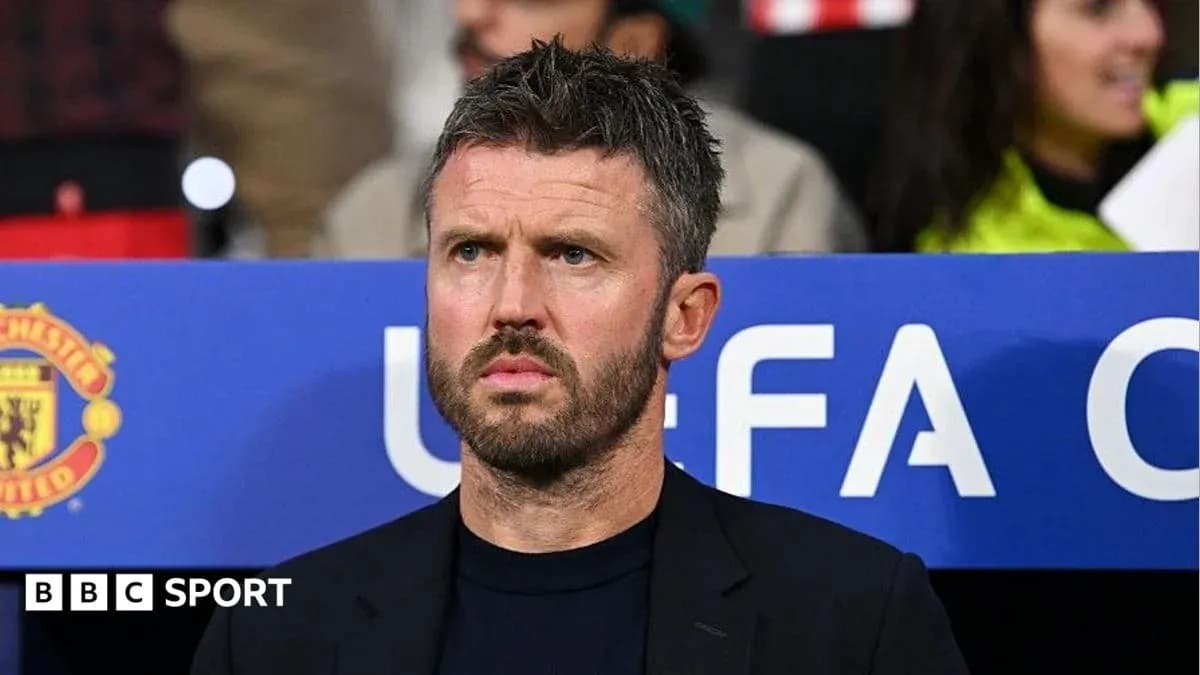
Ainsley Maitland-Niles’ stoppage-time equaliser for Everton turned what should have been a routine away win into another uncomfortable examination of United’s soft underbelly, leaving Michael Carrick with four points from his first three Premier League fixtures and a growing noise around his defence.
Neville’s warning: “It’s not going to go away”
On his podcast, Gary Neville did not bother with diplomacy. He has seen this film before at his old club – under Erik ten Hag, under Ruben Amorim – and he senses the same plotline beginning to unfold.
“Teams think they've got a chance against them,” he said, pinpointing the mood that now follows United around the league. They led, they controlled large spells, but they never killed Everton off. “I thought they were a little bit complacent… they lacked that killer instinct before that period when Everton equalised and then they react again.”
The pattern is familiar: United play, United lead, United retreat. Opponents stay alive long enough to land a late punch. The pressure finally told when Maitland-Niles struck, and Neville’s frustration zeroed in on what happened in the closing stages.
Defensive tinkering under the microscope
Carrick’s late reshuffle at the back left Neville baffled. With the game still in the balance, United’s manager began to pull at the threads of his own backline, withdrawing key defenders and, in Neville’s eyes, inviting Everton forward.
Luke Shaw and Diogo Dalot both made way, decisions that immediately drew comparisons with the constant defensive tinkering that undermined previous regimes.
“I don't think it's going to go away and that's my big fear,” Neville admitted. “I think conceding goals is going to chase them and hunt them down the road and I don't know how Michael deals with it because he's got his best back four on the pitch. I don't know why Shaw went off with five minutes to go – hopefully he's not injured.”
That last line matters. If Shaw’s removal was precautionary, Carrick has a fitness issue to manage. If it was tactical, Neville’s concerns about self-inflicted chaos gain even more weight.
Carrick accepts the problem – but not the excuses
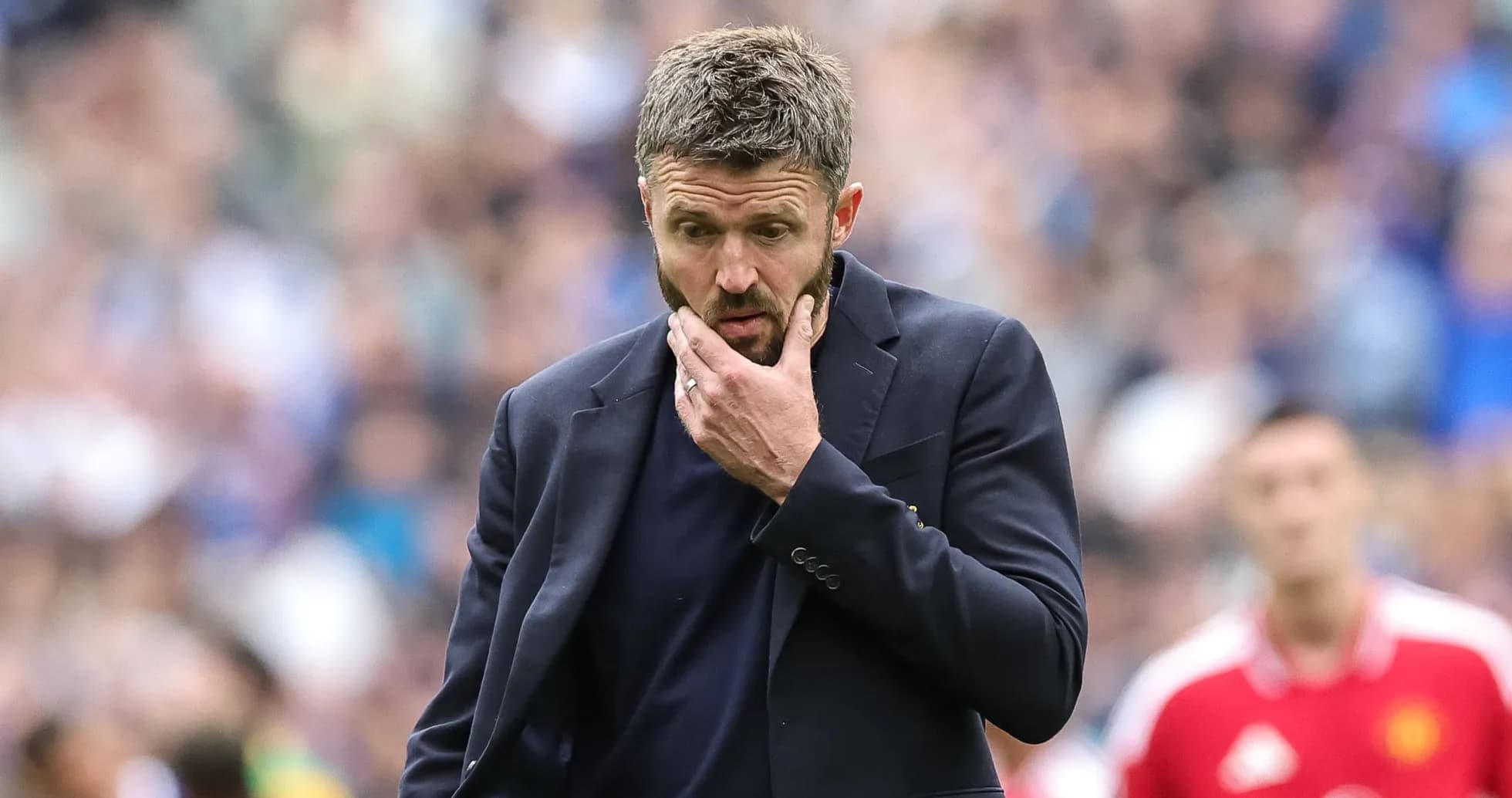
Carrick cut a composed figure afterwards, but he did not try to gloss over the obvious. United are conceding too many goals, too late in games, and he knows it.
“Obviously, we can't ignore it,” he said. “We need to concede fewer goals to give us a better chance of winning games. We'll certainly look at that and keep improving. There's obviously things we need to get better at as a team.”
He pointed to the quality of Everton’s strikes – “two strikes from distance really, two really good strikes from their point of view” – and he was right. On another day, those efforts do not fly into the top corner. This one, they did. The problem for United is that “another day” keeps looking a lot like this one.
Asked directly about conceding late, Carrick did not dodge it. “Yeah, for sure, it is,” he admitted. Game management, again, sits at the heart of the issue.
Rashford worry adds to United’s unease
As if the defensive drama was not enough, United now wait on Marcus Rashford’s fitness. The forward, sharp and threatening on the left, went off in the second half with what Carrick later described as a physical problem.
“He felt a little bit of something, so we had to change him,” the manager explained. Rashford had combined well with Shaw, the pair repeatedly exposing Everton down that flank. “Marcus and Shaw have played together for a long period of time and have a good understanding. And you can see that, they look really dangerous down that side, and there is obviously more to come.”
That “more to come” now depends on scans and medical updates. For a side already wobbling at the back, losing one of their main attacking outlets would be an unwelcome twist.
Old habits, new manager
Three games into the campaign, the table does not yet tell a definitive story. But the performances do. United still look like a team that can dazzle in moments and then unravel when the pressure rises. Neville has seen enough to issue a stark warning: the defensive frailty that cost Ten Hag and Amorim is still lurking, still shaping results, still refusing to leave.
Carrick talks of improvement, of tweaks, of learning. All of that may come. Yet until United prove they can close out games like this, without late panic and without inviting chaos, every lead will feel fragile and every dropped point will sound a little louder than the last.