Barcelona's Champions League Ambitions: Rodri's Insights
Barcelona have reclaimed their place at the top of Spain. Europe is a different story.
Two straight La Liga titles have restored a sense of domestic authority at Montjuïc, yet the Champions League drought stretches into a 12th year. That gap – between what they are at home and what they want to be abroad – is exactly where Rodri has walked in.
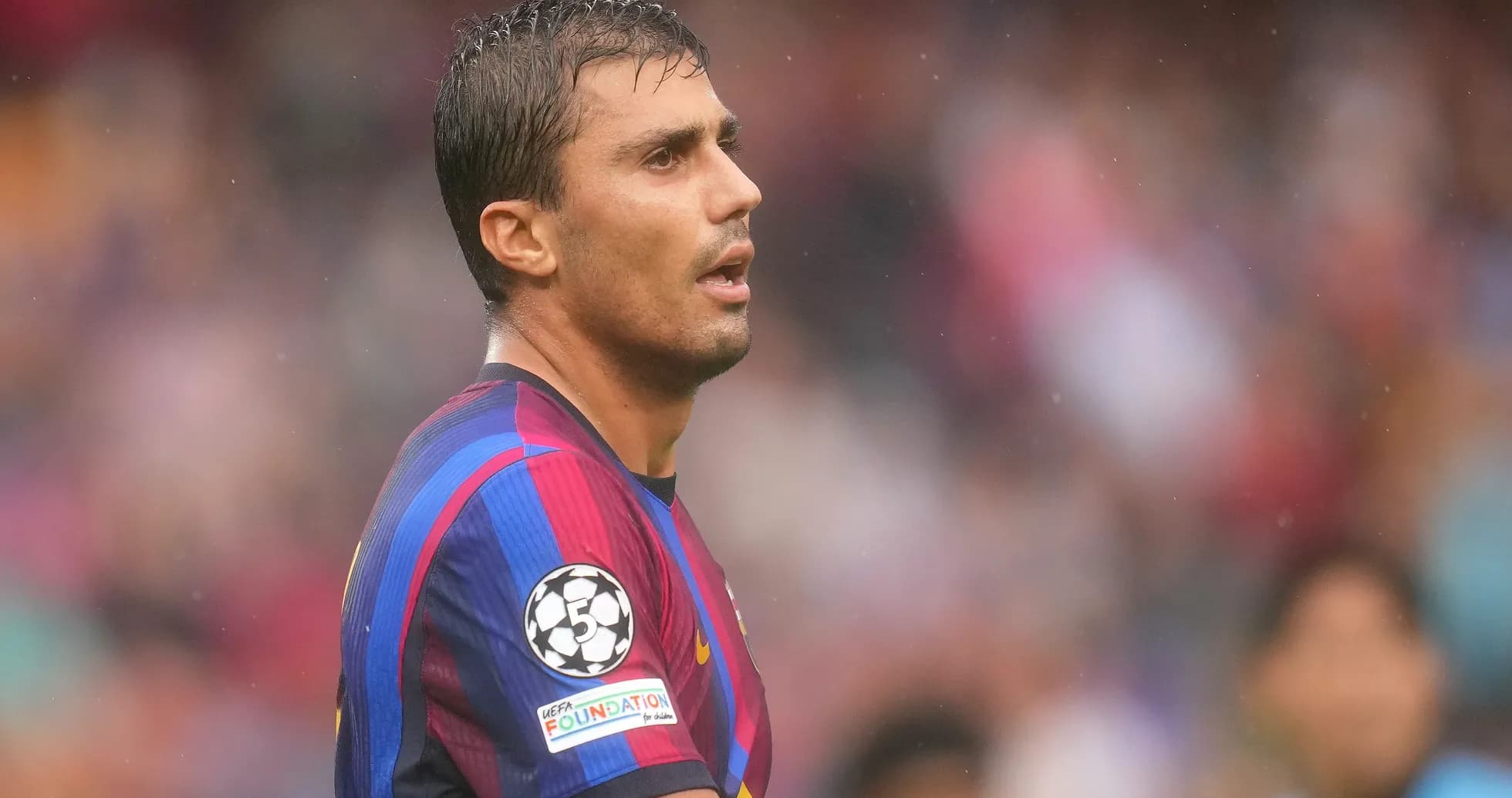
Signed from Manchester City in the summer, the 30-year-old Spain captain was brought to Barcelona for nights in May, not weekends in February. He has slipped into the Blaugrana midfield with the calm inevitability of a player who has spent years dictating the biggest games on the continent. But in an interview with Mundo Deportivo, his assessment of Barça’s current European status cut through any early-season euphoria.
The message: ambition, yes. Favourites, no.
“The Champions League is achievable, but I don’t think we’re favourites,” he said. “Obviously, I see it as a realistic title for us. It’s that final step we need to take to establish ourselves and show Europe what kind of team we are.”
This is not the language of a man seduced by club rhetoric. Rodri knows what a Champions League-winning machine looks like. He has been at the heart of one. And he made it clear that talent alone will not drag Barcelona back to the summit.
“I don’t think we’re favourites. You have to understand where we’re coming from and what it takes to become champions,” he warned. “This team still needs to polish several things to win it. Players like me have come here partly for that, to help the team grow and provide something that I think is important when it comes to winning titles as unique as the Champions League.”
Barcelona’s recent European story has been a catalogue of painful exits and small collapses at decisive moments. Inter. Atletico Madrid. Ties where defensive lapses, rash decisions and red cards turned winnable situations into early departures. Rodri, more than most, understands that this competition is unforgiving when those details slip.
“I don’t think the Champions League is a tournament where the best team necessarily wins. It’s a tournament of moments, and understanding those moments,” he said. “I think that’s perhaps the area where this team still has room to improve. But if you ask me whether we have a chance, that’s why I came here.”
Those “moments” are the thin line between another collapse and a deep run. A careless tackle on the edge of the box. A needless second yellow. A chaotic five-minute spell away from home. Barcelona have lived all of that in recent seasons. Rodri is determined they stop repeating it.
His view of how this team must evolve is blunt: less romance, more control.
“It’s about controlling those moments that make the difference in a tie, especially when the important knockout rounds arrive. Red cards, penalties, perhaps not conceding more than you should. All of those things determine whether you go through or go out,” he said.
Then came the line that would have jarred in another era of Barça football, but now feels like a blueprint.
“Perhaps it’s better not to be quite as good offensively but to be more consistent and more solid. The teams that have been able to win it have shown you that. That’s where we have room to improve, and I’m sure we will.”
For a club built on attacking flair and positional play, the idea of sacrificing some sparkle for steel is a significant shift. Yet the evidence across Europe backs him up: the recent winners have defended with a ruthlessness that Barcelona simply have not matched since their last triumph.
Rodri’s authority on the subject comes from experience earned the hard way. Before lifting the trophy with City, he endured his own share of frustration and near misses in the competition.
“That also comes with experience. I’ve always said that before you win, you have to lose and you have to learn,” the World Cup winner insisted. “Those of us who have been able to win important things know that. I’ve played in I don’t know how many Champions League campaigns before we were finally able to win it.
“I understand that there’s a learning process in that experience, and I understand that players learn year after year.”
Barcelona stand at that exact point in the curve: no longer naïve, not yet ruthless. Their domestic dominance says one thing; their European scars say another. Rodri has arrived to bridge that gap, to drag a talented squad from potential to proof.
The question now is simple and brutal: can this Barça learn fast enough, in this cycle, to turn those lessons into a night when the anthem plays and they finally look like favourites again?